

Every year, tens of thousands of people in the U.S. end up in the hospital-not because their illness got worse, but because a medication they took reacted badly with something else. It could be another pill, a supplement, grapefruit juice, or even a health condition they didn’t think mattered. These are drug interactions, and they’re one of the most common yet preventable causes of serious harm from medications.
What Exactly Is a Drug Interaction?
A drug interaction happens when something changes how a medication works in your body. That something could be another drug, a food, a supplement, or even an existing health problem. It doesn’t mean the drug is broken-it means something else is interfering with how it’s supposed to behave. There are three main types:- Drug-drug interactions: When two or more medications affect each other. For example, taking warfarin (a blood thinner) with certain antibiotics can make your blood too thin, increasing the risk of dangerous bleeding.
- Drug-food/drink interactions: When what you eat or drink changes how your body handles a drug. Grapefruit juice is the most famous example-it can make statins like simvastatin 300-600% more potent, leading to muscle damage or kidney failure.
- Drug-condition interactions: When your health condition changes how a drug works. For instance, someone with kidney disease may not clear digoxin properly, causing toxic buildup even at normal doses.
These aren’t rare edge cases. About 80% of clinically significant interactions are drug-drug, 15% are food-related, and 5% are tied to underlying conditions. And they’re not just a problem for older adults-even young people mixing OTC painkillers with antidepressants or herbal teas with birth control are at risk.
Why Do These Interactions Happen?
It all comes down to how your body processes drugs. There are two main ways interactions occur: pharmacokinetic and pharmacodynamic.Pharmacokinetic interactions affect how your body absorbs, moves, breaks down, or gets rid of a drug. The liver plays a huge role here, especially through enzymes called CYP450. One enzyme, CYP3A4, handles about half of all prescription drugs. If another substance blocks or boosts this enzyme, drug levels can spike or crash.
For example, fluconazole (an antifungal) blocks CYP3A4. If you’re taking simvastatin (a cholesterol drug), this can cause simvastatin levels to jump by up to 2,000%. That’s not a small change-it can lead to rhabdomyolysis, a life-threatening muscle breakdown. This isn’t theory. It’s documented in hospital records across North America.
Pharmacodynamic interactions happen when two drugs act on the same part of your body. Think of it like two people pulling on the same rope. If they pull in the same direction, the effect gets stronger-like mixing two sedatives and passing out. If they pull in opposite directions, the effect cancels out-like NSAIDs making diuretics less effective by causing fluid retention.
Which Medications Are Most Dangerous?
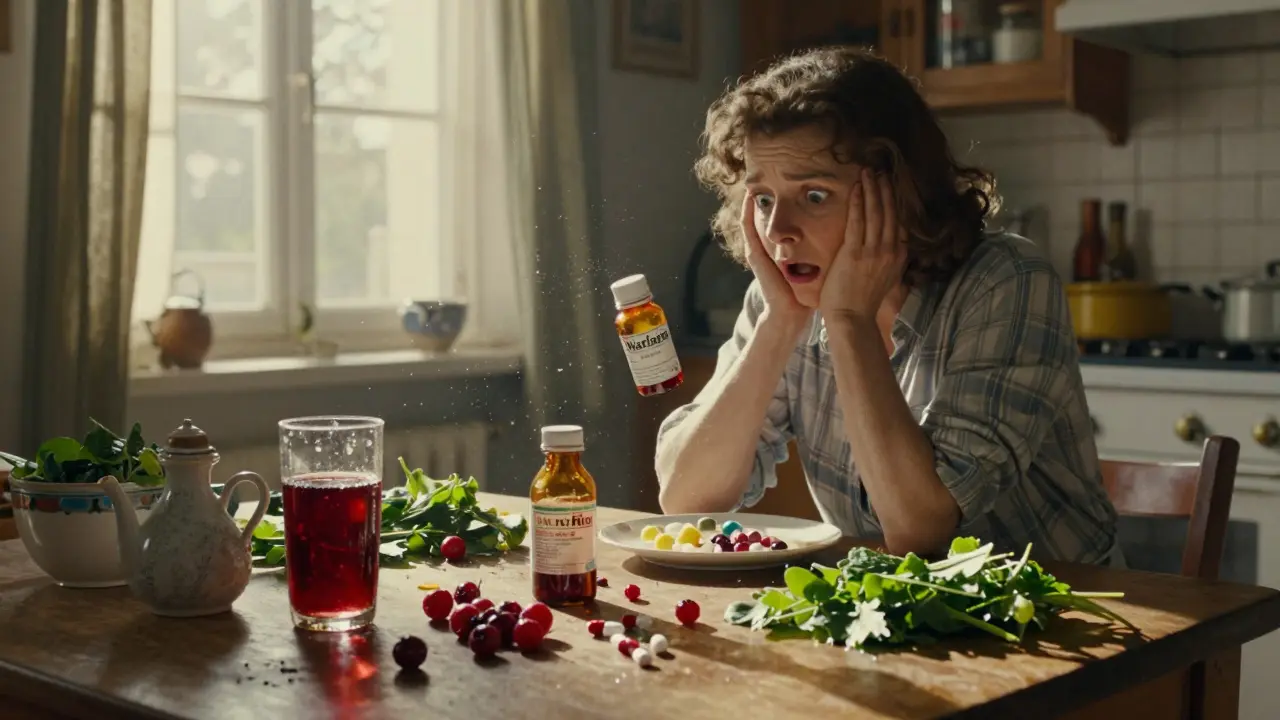
Not all drugs are equally risky. Some have hundreds of known interactions. The top three are:- Warfarin (Coumadin): Has over 600 documented interactions. Even something as simple as cranberry juice or vitamin K-rich greens can throw off your INR levels, leading to clots or bleeding.
- Digoxin (Lanoxin): Used for heart rhythm problems. Antibiotics like clarithromycin or diuretics can push digoxin into toxic territory, causing nausea, confusion, or fatal arrhythmias.
- Levothyroxine (Synthroid): For thyroid replacement. Calcium, iron, and even coffee can block its absorption. Taking it with breakfast instead of on an empty stomach can mean you’re getting half the dose you think you are.
These aren’t obscure drugs. Millions of people take them daily. And many don’t know they’re at risk.
Real People, Real Consequences
Behind every statistic is a person. On Reddit, a thread titled “Warfarin interaction nightmare” had over 140 stories. One man started antibiotics for a sinus infection and ended up in the ER with internal bleeding. A woman in Alberta took a new painkiller with her blood pressure med and nearly had a stroke. A man in Calgary drank grapefruit juice with his statin for months-then woke up with muscle pain so severe he couldn’t stand. He was hospitalized with rhabdomyolysis.These aren’t outliers. A 2022 JAMA study found that serious drug interactions cause around 106,000 deaths in the U.S. every year. That’s more than traffic accidents. And 6.5% of all hospital admissions are due to preventable drug interactions.
Worse, many patients aren’t warned. Dr. Michael Cohen of the Institute for Safe Medication Practices says less than 30% of people get proper counseling about interactions. Pharmacists catch 22% of all drug-related problems-but only if they have full access to your meds. If you see three different doctors and fill prescriptions at three different pharmacies, no one has the full picture.
How to Protect Yourself
You don’t need to be a doctor to avoid dangerous interactions. Here’s what actually works:- Keep a complete, up-to-date list of everything you take: prescriptions, OTC meds, vitamins, herbs, and even occasional supplements like melatonin or turmeric. Include dosages and how often you take them.
- Use one pharmacy for all your prescriptions. Pharmacists run automated checks across all your meds. If you split prescriptions, they can’t help.
- Ask about interactions every time you get a new prescription. Don’t assume your doctor knows everything. Say: “Could this interact with anything else I’m taking?”
- Check grapefruit juice warnings. If your pill label says “avoid grapefruit,” don’t test it. Even one glass can last 72 hours.
- Space out supplements and meds. Take calcium, iron, or antacids at least 2 hours before or after levothyroxine, antibiotics, or thyroid meds.
- Use trusted tools. The GoodRx Drug Interaction Checker, Medscape, and the NIH’s LiverTox database are free and reliable. Avoid random apps or Google searches.
The Bigger Picture
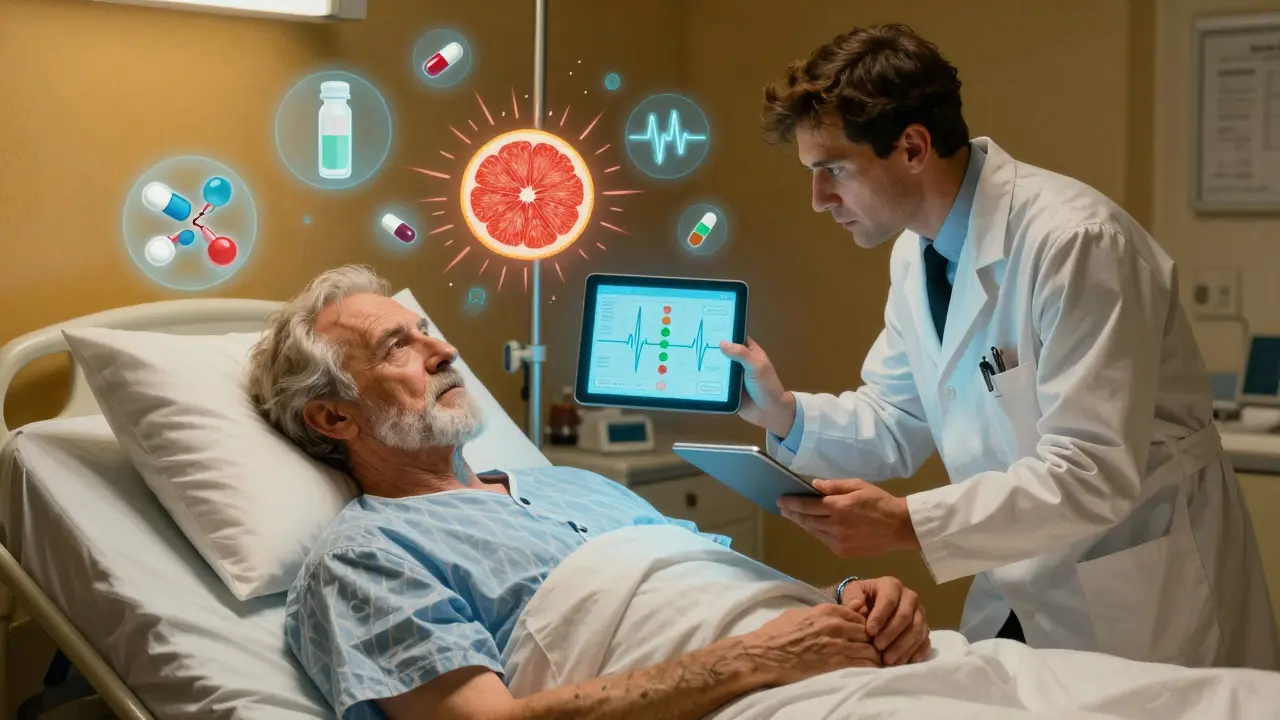
Drug interactions aren’t just an individual problem-they’re a systemic one. The U.S. spends $528 billion a year on medication-related problems, $30 billion of which comes from preventable interactions. Hospitals are being fined for these errors under Medicare’s value-based programs. Yet, only 42% of U.S. hospitals have smart systems that give real-time, severity-ranked alerts to doctors.And the problem is getting worse. People over 65 take an average of 4.7 prescriptions. Many have five or more chronic conditions. The average patient takes 1.5 prescription drugs and 1.2 OTC products at the same time. That’s a recipe for conflict.
The future might help. The FDA just launched the Drug Interaction Knowledgebase (DIKB), a machine-readable database with 12,000+ validated interactions. AI tools are learning from millions of clinical notes to spot hidden risks. Soon, genetic testing for CYP450 enzymes may become standard-telling you if your body naturally breaks down certain drugs too fast or too slow.
But right now, the best protection isn’t technology. It’s awareness. It’s asking questions. It’s telling your pharmacist about the turmeric you take for arthritis or the OTC sleep aid you use on weekends.
Final Thought
Medications save lives. But they’re not harmless. Every pill you take has a story-how it’s made, how it’s absorbed, how it’s broken down, and what else it might bump into. Ignoring those stories isn’t just careless-it’s dangerous.You don’t need to memorize every interaction. But you do need to know your own list. Keep it simple. Keep it current. And never assume someone else is watching out for you.
Can over-the-counter medications cause dangerous drug interactions?
Yes, absolutely. Many people assume OTC meds are safe because they don’t require a prescription. But drugs like ibuprofen, naproxen, and even antacids can interfere with blood pressure meds, blood thinners, and kidney function. For example, taking NSAIDs with warfarin increases bleeding risk. Antacids with aluminum or magnesium can block absorption of antibiotics like ciprofloxacin. Always check interactions-even for aspirin or melatonin.
Is it safe to take supplements with prescription drugs?
Not without checking. Herbal supplements like St. John’s wort, garlic, ginkgo, and goldenseal can dramatically alter how your body processes medications. St. John’s wort, for example, can reduce the effectiveness of birth control pills, antidepressants, and even heart meds like digoxin. Iron and calcium supplements can block thyroid meds and antibiotics. Always tell your pharmacist or doctor about every supplement you take-even if you think it’s “natural.”
Why does grapefruit juice interact with so many drugs?
Grapefruit contains compounds called furanocoumarins that block an enzyme in your gut called CYP3A4. This enzyme normally breaks down many drugs before they enter your bloodstream. When it’s blocked, the drug floods into your system-sometimes at levels three to six times higher than normal. This can turn a safe dose into a toxic one. It’s not just grapefruit juice-Seville oranges, pomelos, and some tangelos do the same thing.
Do drug interactions get worse as you age?
Yes. As we age, our liver and kidneys process drugs more slowly. We’re also more likely to take multiple medications for chronic conditions. People over 65 account for 45% of serious drug interaction events, even though they make up only 16% of the population. The Beers Criteria-a guide for safe prescribing in older adults-lists 54 high-risk drug combinations specifically for seniors. Always ask if your meds are still appropriate for your age and health status.
How can I tell if a drug interaction is happening to me?
Sudden changes in how you feel after starting a new medication or changing your diet can be a red flag. Look for: unusual drowsiness, dizziness, muscle pain or weakness, nausea, confusion, irregular heartbeat, bleeding (bruising, nosebleeds), or sudden changes in blood pressure or blood sugar. If something feels “off” and you recently added a new pill, food, or supplement, talk to your pharmacist immediately. Don’t wait for symptoms to get worse.
Can I rely on my doctor to catch all drug interactions?
Not always. Doctors often see patients for short visits and may not know about all the meds you’re taking, especially OTCs or supplements. A 2022 study found that 34% of patients discharged from hospitals had at least one undocumented interaction risk because care was fragmented. Your pharmacist is your best ally-they see your full history, run automated checks, and are trained specifically to catch these issues. Always fill all your prescriptions at the same pharmacy.
George Bridges
January 11, 2026 AT 12:58I had no idea grapefruit juice could mess with statins like that. My dad took simvastatin for years and drank grapefruit juice every morning. He never said a word about it until he got hospitalized with muscle pain. Turns out, his doctor never warned him. I’m glad this post exists-people need to know these things aren’t just ‘weird edge cases.’
gary ysturiz
January 12, 2026 AT 14:18Keep your meds list updated. Use one pharmacy. Ask questions. These are simple steps that save lives. No magic, no fancy tech-just common sense. Why don’t more people do this? Because they think it won’t happen to them. Spoiler: it can.
Sumit Sharma
January 13, 2026 AT 07:28The CYP3A4 enzyme is the linchpin in over 50% of pharmacokinetic interactions. Furanocoumarins in grapefruit irreversibly inhibit it, leading to non-linear pharmacokinetics and supra-therapeutic plasma concentrations. This isn’t anecdotal-it’s biochemistry. And yet, patients still drink grapefruit juice with their prescriptions. The real problem isn’t the interaction-it’s the systemic ignorance of basic pharmacology in the general population.
Darryl Perry
January 13, 2026 AT 08:06This post is too long. You don’t need 2,000 words to say ‘ask your pharmacist.’
Windie Wilson
January 15, 2026 AT 07:37So let me get this straight… I can’t have my morning grapefruit smoothie, my turmeric latte, my melatonin gummy, AND my blood pressure pill without risking a trip to the ER? And I’m supposed to keep a spreadsheet? 😭 I just wanted to feel better, not become a pharmaceutical compliance officer.
Monica Puglia
January 16, 2026 AT 16:01My grandma takes 8 different meds and 4 supplements. She didn’t even know melatonin could mess with her thyroid med. I helped her make a color-coded list and now she uses one pharmacy. We’re both way less stressed. 🙌 Small changes = big safety wins. You got this!
Cecelia Alta
January 17, 2026 AT 16:28Oh wow, another ‘just ask your pharmacist’ post. Because that’s worked out so well for everyone, right? My cousin took a new antibiotic and started hallucinating because her doctor didn’t know she was on St. John’s wort. The pharmacist? He didn’t even have her supplement list because she filled it at a different store. And now she’s got PTSD from the ER. So yeah, ‘just ask’ is cute. But the system is broken. Nobody’s keeping the full picture. And no, your 30-second ‘did you take anything else?’ question at the clinic doesn’t cut it. We need better tech. We need mandatory pharmacy integration. We need laws. Not just ‘be careful.’
Jessica Bnouzalim
January 18, 2026 AT 11:05YES! I just started levothyroxine last month, and I didn’t know coffee could block it! I’ve been taking it with breakfast for weeks… I’m so glad I read this. I switched to taking it first thing in the morning, then waiting two hours before coffee. I already feel more awake and less jittery. Thank you for the practical tips-this is the kind of info that actually helps!