
Antidepressant Risk Assessment Tool
Personal Risk Assessment
This tool helps you understand your individual risk factors for experiencing suicidal thoughts when starting antidepressant medication, based on the FDA's black box warning guidelines.
Your Risk Assessment
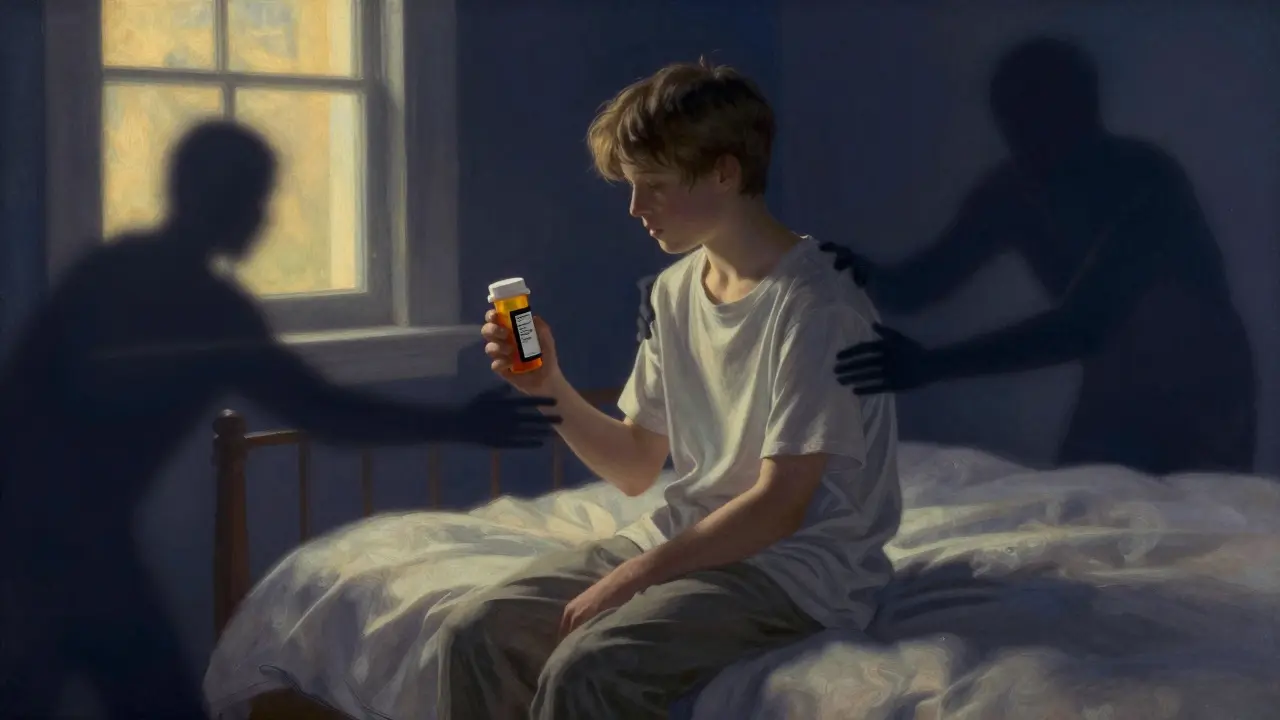
When you start taking an antidepressant, you’re hoping for relief - less sadness, better sleep, more energy. But buried in the fine print of your prescription bottle is a warning that can shake anyone’s confidence: a black box warning about suicidal thoughts. It’s the strongest safety alert the FDA can give, and it’s on nearly every antidepressant sold in the U.S. So what does it actually mean? And should it stop you from taking the medicine that might save your life?
What Is the Black Box Warning?
The black box warning is a bold, boxed notice printed at the very start of every antidepressant’s official prescribing guide. It doesn’t appear in ads or on pill bottles - only in the medical documentation doctors and pharmacists are required to read. The FDA first added it in October 2004 after reviewing data from 24 clinical trials involving over 4,400 children and teens. The numbers showed something troubling: kids and teens on antidepressants had about twice the risk of suicidal thoughts or behaviors compared to those on placebo. No one died in those trials, but some tried to hurt themselves. That was enough for the FDA to act. In 2006, the warning was expanded to include young adults up to age 24. It applies to all antidepressants - SSRIs like fluoxetine (a selective serotonin reuptake inhibitor used to treat depression and OCD), sertraline (a commonly prescribed SSRI for depression and anxiety), paroxetine (an SSRI with higher risk of side effects in youth), and others like venlafaxine (an SNRI used for depression and anxiety disorders), mirtazapine (an atypical antidepressant affecting serotonin and norepinephrine), and bupropion (an atypical antidepressant that affects dopamine and norepinephrine). The warning says clearly: “Antidepressants increase the risk of suicidal thinking and behavior in children, adolescents, and young adults in short-term studies.”Why Does This Happen?
It’s not that antidepressants make people want to die. It’s that they can wake you up - emotionally - before you’re ready to handle it. Depression often leaves people too tired, numb, or hopeless to act. Antidepressants can start lifting that fog in days or weeks, giving someone the energy to follow through on thoughts they’ve had for months. That’s the dangerous gap: the return of motivation before the return of hope. Someone who was too exhausted to get out of bed yesterday might now have the strength to plan a suicide attempt. This isn’t the drug causing the urge - it’s the brain slowly coming back to life, and the pain still being there. This effect is most common in the first few weeks of treatment, or after a dose change. It’s rare - less than 1 in 50 people experience it - but serious enough that the FDA requires doctors to warn patients and families. That’s why you’re given a Patient Medication Guide (a printed handout required by the FDA to explain risks of antidepressants) when you pick up your prescription. It’s not meant to scare you. It’s meant to make sure someone is watching.Who’s Most at Risk?
The warning targets three groups: children under 18, teens aged 18-24, and young adults up to age 24. But not everyone in these groups is equally at risk. Studies show that younger patients with severe depression, a history of self-harm, or a family history of suicide are more vulnerable. Some antidepressants carry higher risks than others. For example, paroxetine showed a stronger link to suicidal behavior in trials, while fluoxetine and sertraline had lower or neutral risk profiles. Interestingly, adults over 25 show no increased risk - and some studies suggest antidepressants actually lower suicide risk in this group. The warning doesn’t apply to them. That’s why doctors often treat older adults with antidepressants more freely. The real danger zone is adolescence and early adulthood, when the brain is still developing and emotional regulation is fragile.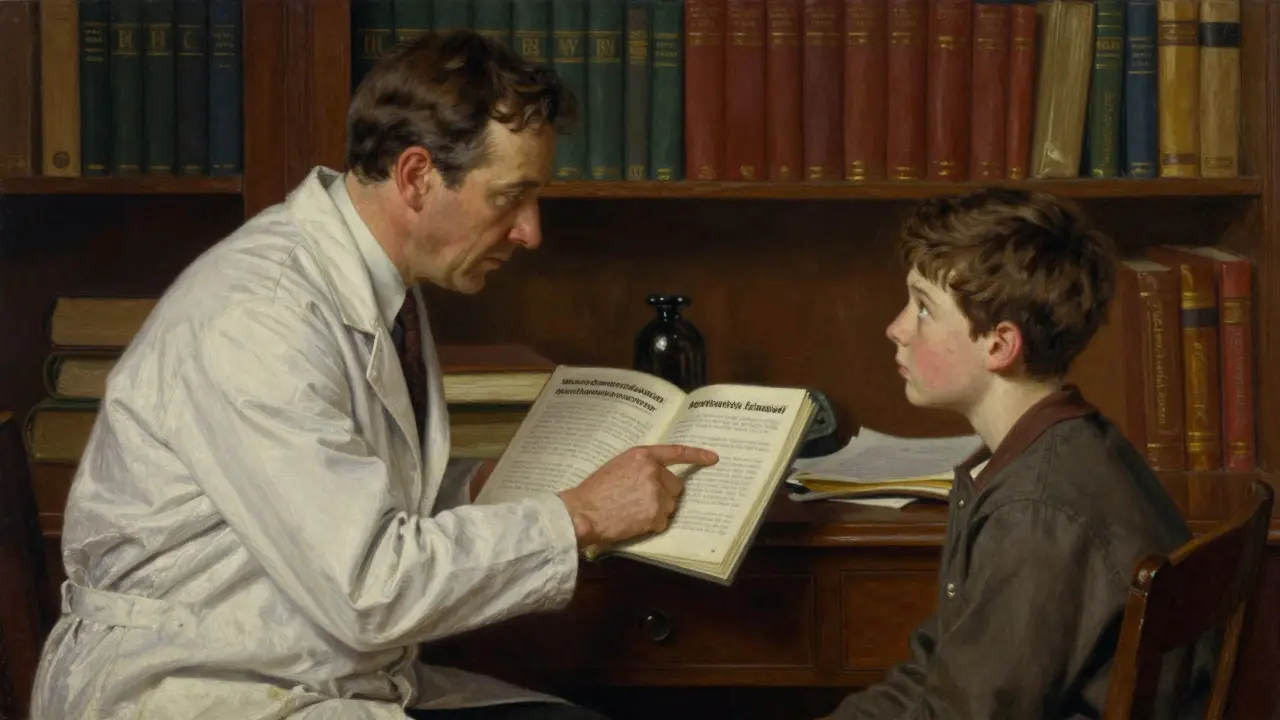
The Unintended Consequences
Here’s where things get complicated. After the black box warning went into effect, prescriptions for antidepressants in teens dropped by more than 22%. Psychotherapy visits also fell. At the same time, emergency room visits for drug poisonings - many of them suicide attempts - went up by nearly 30%. Suicide rates among youth rose 15% between 2003 and 2005. A 2023 study in Health Affairs looked at 15 years of data and found that the warning likely caused more harm than good. When doctors became afraid to prescribe, and families became afraid to fill prescriptions, people with depression went untreated. And untreated depression is far more dangerous than any medication side effect. One study found that 80% of teens who died by suicide had no recent contact with a mental health provider. The FDA’s warning was meant to protect. But in practice, it sometimes pushed people away from care. A mother might hear “antidepressants can cause suicidal thoughts” and think, “This drug will kill my child.” She doesn’t hear the rest: “Untreated depression kills more.”What Should You Do?
If you or someone you love is being prescribed an antidepressant, here’s what actually matters:- Don’t skip the first month. The risk is highest early on. Missing doses or stopping abruptly can be dangerous.
- Watch for changes. Is the person suddenly more agitated, restless, or talkative about death? Are they sleeping less? These aren’t normal improvements - they’re red flags.
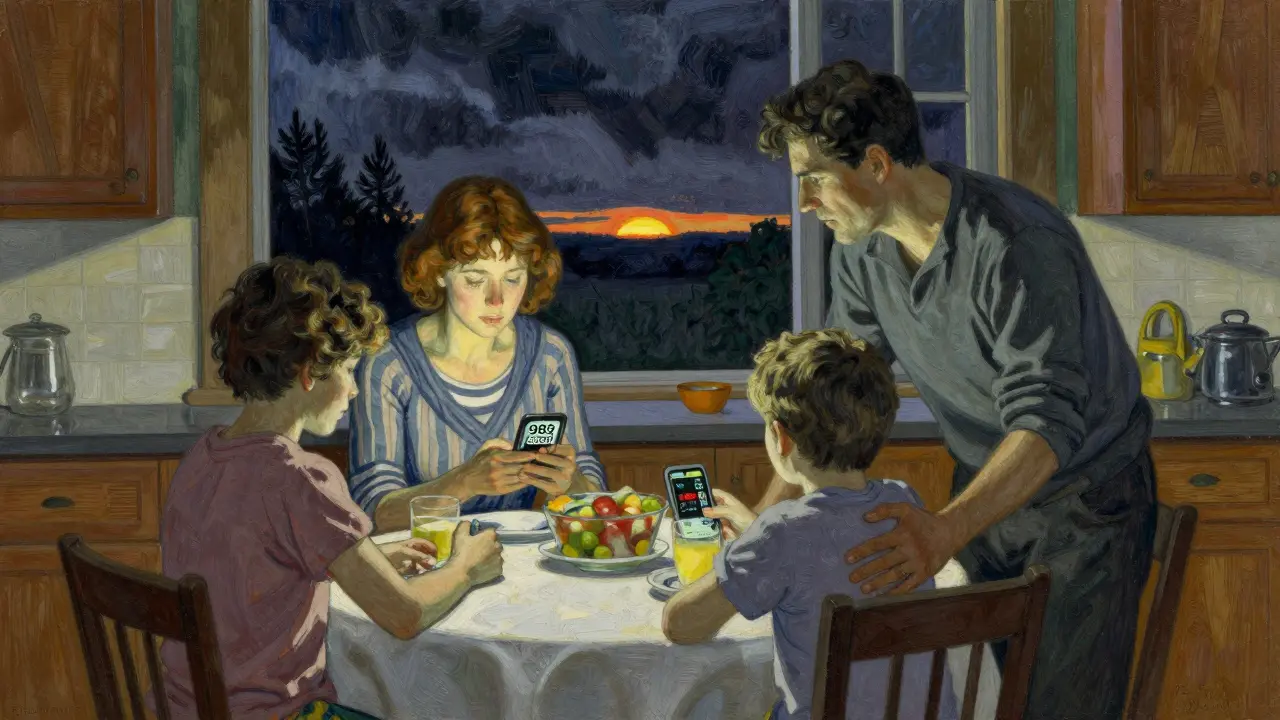
- Have a safety plan. Keep crisis numbers handy. Know who to call - a therapist, a doctor, or 988 (the Suicide & Crisis Lifeline). Remove access to lethal means if possible.
- Communicate with the doctor. Tell them everything. Even if it feels embarrassing. Even if you think it’s “not a big deal.”
- Don’t assume the warning means “never take this.” For most people, the benefits outweigh the risks. The goal isn’t to avoid medication - it’s to use it safely.
The Bigger Picture
The black box warning is a relic of a time when regulators trusted clinical trial data more than real-world outcomes. The trials were short, controlled, and didn’t capture the full story of what happens when people actually live with depression and treatment. Today, experts are calling for change. Instead of one blanket warning for all antidepressants, many want medication-specific alerts. For example, paroxetine might carry a stronger warning, while fluoxetine gets a milder one. Others suggest replacing the black box with routine warnings in the patient guide - clear, but not paralyzing. The American Psychiatric Association says it plainly: “The risk of suicide is higher without treatment than with it.” The black box warning isn’t a reason to avoid antidepressants. It’s a reason to take them seriously - with support, monitoring, and care.What’s Next?
The FDA reviewed the warning again in 2022. They kept it - but tweaked the language to better explain that the risk is small and temporary, and that the benefits often outweigh it. New research is pointing toward personalized treatment: genetic testing, early symptom tracking apps, and closer follow-ups in the first 2-4 weeks. The future isn’t about avoiding medication. It’s about better monitoring. Better education. Better conversations between patients, families, and doctors. If you’re considering antidepressants, talk to your doctor. Ask: “What’s the evidence for this drug in my age group?” “How often will we check in?” “What signs should I watch for?” Don’t let fear silence your questions. Your life matters more than a warning label.Do antidepressants cause suicide?
No, antidepressants don’t cause suicide. They can, in rare cases, increase the risk of suicidal thoughts during the first few weeks of treatment - especially in young people. This happens because the medication restores energy before mood improves, making it easier to act on existing thoughts. The risk is low and temporary, and it’s far outweighed by the benefits for most people with moderate to severe depression.
Is it safe to take antidepressants if I’ve had suicidal thoughts before?
Yes - but only under close supervision. If you’ve had suicidal thoughts in the past, your doctor will likely start you on a lower dose and schedule more frequent check-ins. Fluoxetine and sertraline are often preferred in these cases because they have the strongest safety record in people with prior self-harm. The key is not avoiding treatment - it’s managing it carefully.
Why does the black box warning still exist if it might be causing more harm?
The FDA hasn’t removed it because the original clinical data still shows a small but real increase in suicidal behavior among youth. However, real-world data suggests the warning has led to fewer people getting treatment, which may have increased suicide deaths. Experts agree the warning needs to be updated - not removed - to better reflect that the risk is short-term, medication-specific, and manageable with monitoring.
What should I do if I start feeling worse after beginning an antidepressant?
Call your doctor immediately. Don’t wait. Don’t try to tough it out. Feeling more anxious, agitated, or hopeless in the first two weeks is a red flag. Your doctor may adjust your dose, switch medications, or add therapy. This is why the first month is so important - it’s not a time to be alone with your feelings. It’s a time to be watched over.
Are there antidepressants with no black box warning?
No. All antidepressants approved in the U.S. carry the black box warning for patients under 25. This includes SSRIs, SNRIs, and atypical antidepressants. The warning is based on drug class, not individual brand. However, some medications like fluoxetine have a better safety profile in youth and are often recommended first.
Can therapy alone be enough instead of medication?
For mild depression, yes - especially cognitive behavioral therapy (CBT). But for moderate to severe depression, especially with suicidal thoughts, therapy alone often isn’t enough. Antidepressants can make therapy more effective by helping you engage, focus, and feel capable of change. The best outcomes usually come from combining both.
Aliyu Sani
December 22, 2025 AT 07:11yo, this black box thing? it’s like putting a ‘caution: hot stove’ sign on a defibrillator. yeah, it can burn you if you touch it wrong-but without it, people just… stop breathing. the real tragedy ain’t the med, it’s the silence after the warning. we got kids out here drowning in numbness, and we’re scared to throw ‘em a rope ‘cause the rope might tug too hard. 🤷♂️
Sam Black
December 22, 2025 AT 19:38it’s wild how we treat mental health like a grenade with the pin half-pulled. we hand out SSRIs like candy but then act like the box warning is a death sentence. the truth? the brain doesn’t heal on a schedule-it stumbles. energy returns before joy does. that gap? that’s where the real work begins. not in avoiding meds, but in holding space for the messy in-between. 🌱
Jeremy Hendriks
December 23, 2025 AT 08:43let’s be real-the FDA didn’t add this warning because they care about you. they added it because a pharma lawsuit scared them witless. the data’s cherry-picked, the trials are infantile, and now we’ve got a generation of parents terrified to fill prescriptions. meanwhile, the suicide rate’s climbing like it’s on caffeine. this isn’t safety-it’s performative bureaucracy dressed in legalese. 🤬
Gabriella da Silva Mendes
December 24, 2025 AT 11:53okay but like… why do we even trust america’s medical system?? 🤡 i mean, they gave us opioids for back pain and now they’re scared to give us meds for sadness? and don’t even get me started on how they still think ‘therapy’ is a magic fix. my cousin took sertraline, got way more energetic, started painting again, and now she’s got a damn art show. but the box warning? they made her cry. like, wtf?? 🥺💊 #medsaints
Kiranjit Kaur
December 25, 2025 AT 03:28my brother was 19 when he started fluoxetine. first week, he was silent. second week, he laughed. third week, he cried for 45 minutes over a sunset. we thought it was bad. turns out? he was finally feeling again. the warning? it’s not a stop sign. it’s a ‘slow down, check in, breathe’ sign. i’m so glad we didn’t listen to the fear. he’s alive today. and he’s building a life. 🌞
Sai Keerthan Reddy Proddatoori
December 25, 2025 AT 04:53this is all a lie. big pharma and the government are pushing drugs to control the youth. antidepressants are just chemical slavery. look at the numbers-more people on meds = more suicides. coincidence? i think not. the real problem? too much screen time, too little discipline. god gave us willpower. we don’t need pills. stop the poison. 🙏
Ajay Brahmandam
December 26, 2025 AT 14:11my cousin took venlafaxine and went from barely getting out of bed to running marathons in 6 weeks. but yeah, first 10 days? she was wired. couldn’t sleep. kept texting everyone at 3am. we called her doc, they dropped the dose, and boom-she’s fine. it’s not magic. it’s medicine. and it needs watching. not banning.
jenny guachamboza
December 28, 2025 AT 11:09did you know the FDA banned Prozac in 1998? no? because they didn’t. but they totally would’ve if the media hadn’t been bought by Pfizer. also, antidepressants are linked to alien abductions. i’m not joking. my aunt’s neighbor’s dog got abducted after her mom took Lexapro. 🛸🧠 #truth
Tarun Sharma
December 29, 2025 AT 11:54the black box warning is a necessary safeguard. it ensures informed consent. while real-world data suggests under-treatment is a greater risk, the legal and ethical obligation remains to disclose potential adverse effects. clinical vigilance, not fear, must guide practice.
Jim Brown
December 30, 2025 AT 12:19the paradox of modern psychiatry: we weaponize language to protect, and in doing so, we silence the very voices we seek to save. the black box is not a warning-it is a monument to our collective failure to trust human resilience. the real crisis is not in the pharmacology, but in the culture that fears healing more than it fears death.
Cara Hritz
December 31, 2025 AT 14:05wait so u mean to tell me that u can't take antidepressants if u r under 25? but i'm 24 and i take zoloft and i feel fine?? and also i think the FDA is run by aliens and they put the warning there to make us buy more therapy sessions?? 🤔🧠 #conspiracy