
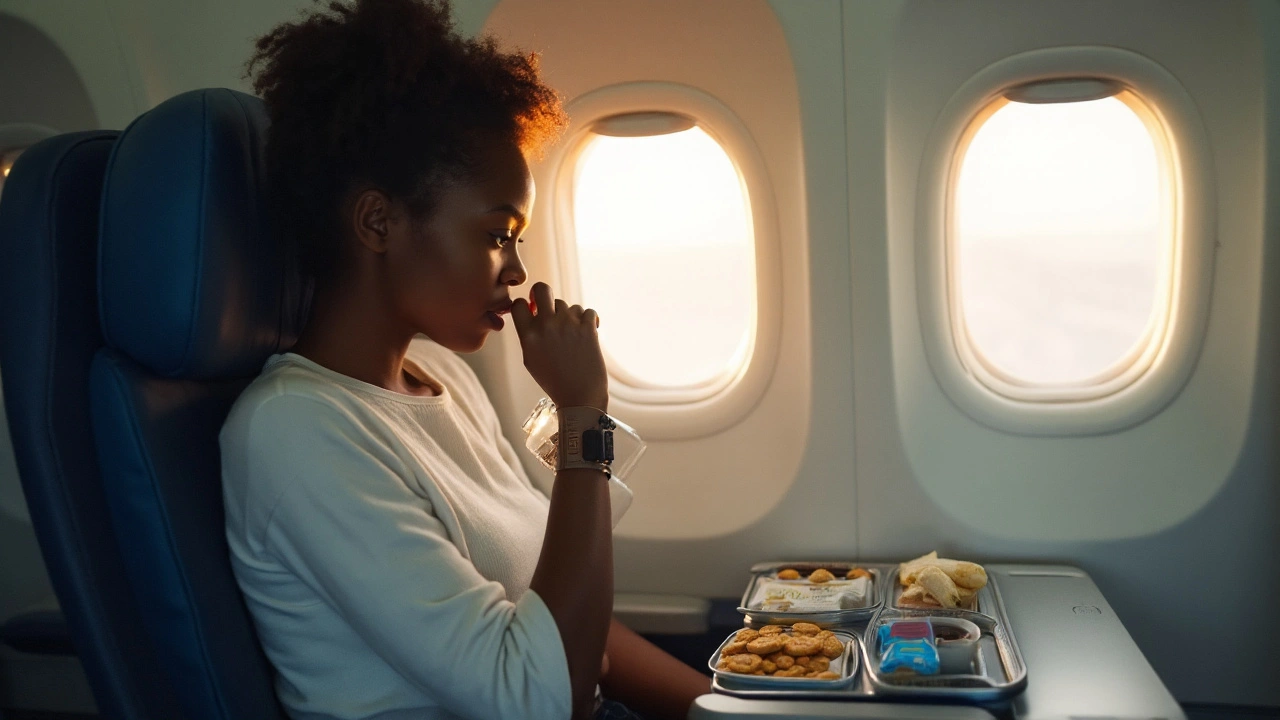
Dizzy on a boat, bus, or back seat? What you eat and drink in the hours before and during travel can tilt the odds in your favor. Diet won’t beat every case of motion sickness, but it can lower the peaks, smooth the waves, and keep you functional. I’ll show you what actually helps-no magic, just smart choices that your inner ear and stomach can live with.
- TL;DR: Eat a light, low-fat, carb-forward meal 2-3 hours before travel; sip fluids steadily (not in big gulps); use ginger (500-1000 mg) 30-60 minutes before; avoid alcohol, heavy/fatty foods, and large volumes right before movement.
- Hydration matters: drink ~500 ml 2 hours before; then 100-200 ml every 20-30 minutes. Choose water or diluted sports drink. Skip binge drinking and very fizzy sodas.
- Quick fixes when dizziness hits: ginger chews, salted crackers, cool water, fresh air, horizon gaze, and a small carb snack. If you use caffeine daily, a small dose can help; don’t overdo it.
- Special cases: kids and pregnancy-ginger and vitamin B6 are usually safe; check doses. If you have reflux, avoid acidic juices and too much ginger.
- Evidence snapshot: Cochrane reviews support ginger for nausea; high-fat meals slow the stomach and can worsen symptoms; dehydration amplifies dizziness. Antihistamines and scopolamine work best pharmacologically if diet alone isn’t enough.
What to eat (and avoid) to prevent travel dizziness
Motion sickness is a “sensory mismatch” problem-your inner ear says you’re moving while your eyes say you’re not, and your brain throws a flag. You can’t eat your way out of physics, but you can make your stomach easier to manage while your brain recalibrates.
Here’s the strategy I use (and teach): go light, go low-fat, go steady. Big, greasy, late meals slow the stomach and raise the chance of nausea and dizziness. A carb-forward plate empties faster and keeps blood sugar even, which helps you feel stable.
- 2-3 hours before travel: eat a light meal. Aim for roughly 300-500 calories if you’re an adult. Pick easy-to-digest carbs plus lean protein:
- Options: oatmeal with banana and a spoon of peanut butter; rice bowl with grilled chicken and steamed veggies; toast with egg and a small yogurt; sushi rice with tofu and cucumber; a turkey sandwich (go easy on cheese and mayo).
- Why this works: carbs empty faster than fat. High-fat and heavy protein slow gastric emptying and crank up nausea. Sports nutrition and gastro studies back this-fat-heavy meals hang around and slosh when you move.
- 30-60 minutes before: take a small snack if you’re hungry. Think crackers, a banana, applesauce, or dry cereal. Small is key. Too much volume is a bad idea right before movement.
- During travel: small, frequent bites beat big meals. A few crackers, a mini granola bar, a small yogurt (low-fat), or a ripe banana. If you’re on a boat, BRAT-style foods (banana, rice, applesauce, toast) are boring for a reason-they’re gentle.
What to avoid before and during movement:
- Heavy/fatty foods: fried chicken, burgers, loaded burritos, cream sauces, large cheese servings. High fat slows the stomach and makes any movement feel worse.
- Big volumes: giant salads, giant smoothies, or chugging water. Volume + motion = slosh. Sip and nibble instead.
- Alcohol (the night before and day of): it dehydrates, messes with the inner ear, and wrecks sleep architecture. The CDC and travel medicine guidance echo this.
- Very spicy or acidic foods: hot wings, lots of tomato sauce, citrus-heavy drinks. These can irritate the stomach, especially if you’re prone to reflux.
- Histamine-heavy foods if you’re sensitive: aged cheeses, cured meats, wine. Antihistamines treat motion sickness, so piling on dietary histamine doesn’t help some people.
Evidence notes to keep this grounded:
- High-fat meals delay gastric emptying; slow emptying fuels nausea. This is consistent across gastroenterology research, not just athlete data.
- Dehydration worsens orthostatic dizziness and nausea. Aviation and maritime medicine emphasize fluid balance for crew and passengers.
- Ginger has moderate-quality evidence for nausea relief in several contexts, including motion. Cochrane reviews and aerospace medicine briefs have pointed to benefits with low risk.
Quick sample plates that work:
- Plane at 1 pm? At 10:30 am: a rice bowl with grilled chicken, zucchini, and a small side of fruit. At 12:30 pm: a few crackers and water sips.
- Ferry at 8 am? At 6 am: oatmeal cooked with milk or soy milk, sliced banana, sprinkle of chia. At 7:20 am: a ginger capsule and a small applesauce cup.
- Bus commute daily? Keep it simple: toast with a hard-boiled egg at 6:30 am, then an 8-ounce water and a small yogurt right before departure.
| Food/Drink | Why it helps (or hurts) | How to use it |
|---|---|---|
| Plain crackers, toast, rice | Quick carbs, bland, easy on stomach | Small servings before and during travel |
| Bananas/applesauce | Gentle fiber, potassium, easy to digest | 1 banana or 1 snack cup as needed |
| Lean protein (chicken, tofu, eggs) | Satiety without heavy fat | Light portion with carbs 2-3 hours pre-travel |
| Low-fat yogurt | Protein + carbs, soft texture | Single-serve cup; avoid if dairy triggers you |
| Ginger (capsules, chews, tea) | Anti-nausea effect in trials | 500-1000 mg dried root 30-60 min before |
| Diluted sports drink | Fluids + sodium aid absorption | 1:1 with water; sip, don’t chug |
| Fried/greasy foods | Slow stomach emptying | Avoid 6-12 hours before and during |
| Alcohol | Dehydrates, affects inner ear | Avoid night before and day of travel |
| Very spicy/acidic foods | Can irritate stomach | Skip if prone to reflux or nausea |
Small rule of thumb: you want your stomach quiet and your blood sugar stable. That’s the goal of a good motion sickness diet.
Hydration that steadies you: fluids, electrolytes, caffeine, and ginger
Hydration is not glamorous, but it’s clutch. Your balance system hates dehydration. Even mild fluid loss raises perceived dizziness, especially when you stand or move your head fast.
Hydration plan that works in the real world:
- Two hours before travel: drink ~500 ml (about 17 ounces) of water or diluted sports drink. Sports medicine often uses 5-7 ml/kg as a guideline before activity; for most adults, 500 ml sits in the sweet spot without overfilling your stomach.
- Right before boarding: a few sips (50-100 ml). Don’t top off with a full bottle-that sloshy feeling is the enemy.
- During movement: sip 100-200 ml every 20-30 minutes, adjusting for heat and sweat. If you’re cold and seated, you’ll need less; if it’s hot or you’re carrying bags, you’ll need more.
Water vs electrolytes:
- Water is fine for short trips under 2 hours in mild temps.
- Electrolytes help when you’re sweating, you tend to get lightheaded, or you’ll be traveling for several hours. A bit of sodium speeds water absorption in the gut. Standard sports drinks are often too sweet for a sensitive stomach-cut them with water 1:1.
- DIY option in a pinch: 250 ml sports drink + 250 ml water + a squeeze of lemon. Smooth, not syrupy.
Caffeine: helpful if you’re a regular user, risky if you’re not.
- If you drink coffee daily, a small dose (50-100 mg) pre-travel can steady alertness and reduce that foggy “off” feeling. Aviation medicine notes better alertness helps motion adaptation.
- If you rarely drink caffeine, skip it. It can spike jitters, irritate your stomach, and increase urination-none of which you want.
- Avoid energy drinks. Too much sugar and carbonation in a big can is the worst of both worlds.
Ginger: still the MVP of non-drug options.
- Dose: 500-1000 mg of standardized ginger (dried root) 30-60 minutes before travel. Repeat every 4-6 hours as needed. For tea, use a strong brew with real ginger or a few slices in hot water.
- Forms: capsules (most predictable), chews (portable and tasty), tea (comforting), crystallized ginger (watch the sugar if you’re sensitive).
- Safety: usually well tolerated. Can cause mild heartburn. Use caution if you’re on blood thinners. If you have gallstones or severe reflux, talk to your clinician first.
Vitamin B6 and others:
- B6 (pyridoxine) helps nausea in pregnancy and is often used at 10-25 mg up to three times daily. For motion sickness, evidence is thinner, but it’s a low-risk add-on.
- Magnesium doesn’t have strong evidence for motion sickness itself. If you’re deficient, fixing that helps headaches and sleep, which indirectly helps travel tolerance.
- Peppermint: pleasant, limited data. Aromatherapy can be soothing, but it’s not a primary fix.
Carbonation: choose wisely. Small sips of flat or gently fizzy ginger ale can help some people; big gulps of heavily carbonated drinks add gas and stomach stretch, which can worsen nausea. If you like soda, let it go a little flat and sip.
Alcohol and cannabis: both are bad teammates here. Alcohol dehydrates and hurts vestibular function. THC can amplify nausea and dizziness in motion for many. Save them for later.
Why this all checks out scientifically: dehydration changes blood volume and can make your brain more sensitive to motion cues. High-fat meals slow gastric emptying and increase gut distension, a known nausea trigger. Ginger likely affects serotonin pathways in the gut and central nervous system; a 2020 Cochrane review covers its antiemetic effects across conditions. Aerospace medicine guidance continues to list ginger as a reasonable adjunct alongside first-line meds like scopolamine and antihistamines.
Checklists, sample plans, quick fixes, and FAQs
Here’s the execution kit. Use it as a pre-travel ritual. I keep it on my phone when I’m hopping ferries or long bus rides.
Pre-travel checklist (12-24 hours out):
- Sleep: aim for 7-8 hours. Poor sleep increases sensory sensitivity.
- Alcohol: skip it the night before.
- Meals: plan a low-fat, carb-forward dinner (rice + grilled fish + veg is solid).
- Snacks: pack crackers, bananas, applesauce pouches, ginger chews/capsules, a small yogurt, and a diluted sports drink or electrolyte powder.
- Hydration: start steady sipping the day before if you’re usually underhydrated.
Day-of timeline example (for a 2 pm departure):
- 9:30 am: 500 ml water/electrolyte. Light meal (oatmeal + banana + small yogurt).
- 12:30 pm: ginger 500-1000 mg (or tea), a few crackers, 100-200 ml water.
- During travel: sip 100-200 ml every 20-30 minutes; small bites of crackers or a banana if needed.
- If dizziness starts: fresh air, horizon gaze, loosen collar, cool cloth on neck, ginger chew, slow breathing (4 seconds in, 6 out) for 2 minutes.
Quick decision guide (diet/hydration only):
- Hungry 20 minutes before travel? Eat a small carb snack (crackers/banana). Skip protein and fat.
- Queasy already? No big meals. Sip cool water or diluted electrolyte; try a ginger chew.
- Dry mouth and lightheaded? Take 150-200 ml sips every 10-15 minutes for 30-40 minutes.
- Prone to reflux? Avoid citrus, tomato juice, and large coffee; choose oatmeal, bananas, and non-acidic fluids.
Sample menus by scenario:
- Rough sea crossing: breakfast of toast + scrambled egg + applesauce; bring salted crackers, ginger chews, and diluted sports drink.
- Turbulence-prone flight: rice bowl + chicken at the airport 2 hours early; ginger capsule; water bottle to sip; skip alcohol and heavy desserts.
- Daily commuter bus: toast + yogurt at home; small banana before boarding; keep a small bottle of water and a pack of crackers in your bag.
Pitfalls to avoid (I’ve made them so you don’t have to):
- Chugging a liter right before boarding. You’ll feel sloshy and worse.
- “I’ll be fine without breakfast.” Low blood sugar makes nausea and dizziness more likely.
- “Ginger ale is medicine.” Not if it’s just flavored soda. Real ginger or a standardized capsule works better.
- Energy drinks for courage. Too much sugar, caffeine, carbonation.
- Thinking one trick fixes all. Diet and hydration reduce symptoms; meds and seat choice often seal the deal.
Mini-FAQ
- How much water should I drink? About 500 ml two hours before, then 100-200 ml every 20-30 minutes. Adjust for heat and sweat. Don’t chug.
- Is ginger safe for kids? Generally yes in small amounts-think tea or a chew. For capsules, talk to a pediatrician for dosing. Start low.
- Does fasting help? No. An empty, acidic stomach can make nausea worse. Aim for a light, low-fat meal.
- What about dairy? Low-fat yogurt is usually fine; high-fat cheese or whole milk right before travel is not.
- Can I drink coffee? If you’re a daily coffee drinker, a small cup can help alertness. If you’re not, skip it.
- Pregnancy-safe options? Ginger and vitamin B6 have good safety profiles. Avoid alcohol. For meds, ask your OB first.
- Do electrolytes really matter? For longer trips or if you sweat easily, yes. A bit of sodium helps absorption and steadies blood pressure.
- Best seat to pair with this plan? Front seat in a car, wing seats on a plane, mid-ship lower deck on a boat. Face forward, watch the horizon.
Special cases and smart tweaks:
- Reflux/GERD: skip citrus, tomato, peppermint, and large volumes. Ginger can trigger heartburn in some-try lower dose or capsules with food.
- Diabetes: choose steady carbs (oatmeal, whole-grain toast, fruit with yogurt). Avoid sugary drinks. Ginger is low-carb; chews can have sugar-read labels.
- Low blood pressure/prone to fainting: a bit more sodium in fluids helps. Salted crackers + diluted sports drink are your friends.
- Kids: prioritize routine. Small breakfast, water sips, window view, simple snacks. Reward calm breathing games.
- Older adults: dehydration bites harder. Start hydrating the day before. Keep meds handy if prescribed (meclizine, scopolamine as directed).
When to add meds (brief, because you came for diet tips): if you’ve got a history of brutal motion sickness, talk to your clinician ahead of time. Scopolamine patches and antihistamines like meclizine or dimenhydrinate have the strongest evidence. Diet + hydration + seat choice + meds often means you actually enjoy the trip.
Credibility corner (no links, just names to look up):
- Aerospace Medical Association guidance on motion sickness prevention highlights light meals and hydration.
- Cochrane reviews (latest updates in the 2018-2022 range) cover ginger’s anti-nausea effects.
- CDC traveler health resources advise avoiding alcohol and staying hydrated pre-flight.
- Maritime and navy protocols emphasize mid-ship seating, hydration, and bland foods during rough seas.
Troubleshooting quick fixes by scenario:
- I feel dizzy right now on the bus. Action: open a vent/window, fix eyes on a distant point, take slow breaths (4 in/6 out for 2 minutes), suck a ginger chew, nibble two crackers, and sip cool water.
- My stomach feels heavy on the ferry. Action: skip food for 20 minutes; switch to small sips of diluted sports drink; stand mid-ship; loosen clothing; cool cloth on neck.
- Plane turbulence made me queasy. Action: no big gulps. Small sips of water, ginger capsule if you have it, head back against the seat, eyes on the horizon line out the window or a fixed point inside.
- Nothing is helping. Action: if you have meclizine or a scopolamine patch (and it’s safe for you), use as directed. Ask crew for ice chips and a bag just in case. Next trip: pre-dose meds and tighten the diet plan.
If you remember one simple framework, make it this: light meal 2-3 hours before, steady sips, gentle carbs, real ginger, and no heroics with alcohol or fried food. Stack these with a good seat and calm breathing, and you’ll feel more like a traveler and less like cargo. -Caspian
Katie Mallett
September 6, 2025 AT 18:09I’ve been using the ginger capsules before flights for years and it’s been a game-changer. I used to dread long-haul trips, but now I just pop one 45 minutes before takeoff and sip water the whole time. No nausea, no dizziness. Also, the tip about diluting sports drinks? Genius. I used to chug Gatorade and end up feeling bloated-now I mix it half and half with water and it’s perfect.
For anyone with reflux, skip the citrus and go for bananas or plain toast. I learned that the hard way after eating an orange before a road trip and regretting it for hours.
Joyce Messias
September 7, 2025 AT 14:34So many people think motion sickness is just ‘being weak’-but it’s biology. This post is a masterclass in practical, science-backed advice. I’m printing this out and taping it to my suitcase. Thank you for making something so complex feel doable. Also, the BRAT diet mention? Chef’s kiss. Still works after 30 years.
Wendy Noellette
September 9, 2025 AT 13:07While the general recommendations are sound, it is worth noting that the Cochrane review on ginger (2020) specifically evaluated ginger in comparison to placebo and conventional antiemetics, with a moderate quality of evidence for nausea reduction, but not necessarily for dizziness mitigation. The distinction is important for clinical precision. Additionally, the assertion that ‘dehydration amplifies dizziness’ is supported by studies in aviation physiology, but the exact threshold of fluid loss required to trigger symptoms varies by individual hydration status and acclimatization. A more nuanced interpretation would acknowledge these variables rather than presenting the guidance as universally applicable.
Devon Harker
September 9, 2025 AT 17:05Wow. Someone actually wrote a 2000-word essay on not eating a burger before a road trip. 😂
Meanwhile, I just chew gum, stare at the horizon, and laugh at people who overthink motion sickness like it’s a PhD thesis. Ginger capsules? Please. I’ve been fine since I stopped being a baby about it. Also, if you’re that sensitive to movement, maybe don’t get in the car. Just saying. 🤷♂️
Walter Baeck
September 11, 2025 AT 01:06Let me tell you something I learned after 17 years of driving cross-country for work-you don’t need a flowchart to not get sick. You need to stop overcomplicating everything. Eat something light, drink water like a normal human, and don’t be a drama queen about your stomach. I’ve seen people bring a whole picnic basket of ‘motion-safe’ snacks and still puke because they were stressing out so much.
Also, caffeine? If you’re used to it, have it. If you’re not, don’t. Duh. This whole post reads like a wellness influencer’s dream. The real fix? Sit in the front. Look ahead. Breathe. And stop treating your body like a fragile robot that needs 17 manual overrides.
Also also-ginger tea is fine but don’t expect magic. It’s not a potion. It’s a plant. And plants don’t solve anxiety. You do.
Austin Doughty
September 11, 2025 AT 16:12THIS IS THE MOST IMPORTANT POST I’VE READ IN MY LIFE. I’VE BEEN DYING ON BOATS FOR 12 YEARS AND NO ONE TOLD ME ABOUT GINGER. I JUST ATE A WHOLE BAG OF SALTED CRACKERS AND STARED AT THE HORIZON AND I’M NOT CRYING. I’M NOT CRYING. I’M NOT CRYING.
Also I’m calling my mom right now to tell her to stop giving me orange juice before flights. She’s been killing me with citrus for 20 years. I forgive you, Mom. I forgive you.
Oli Jones
September 12, 2025 AT 22:55There’s something profoundly human about how we try to outwit our own biology. We’ve mapped the stars, split the atom, yet still struggle to sit in a moving vehicle without our inner ear staging a rebellion.
This post is a quiet act of compassion-not just for those of us who get sick, but for the ones who’ve never understood why. It’s not weakness. It’s a sensory mismatch, yes-but also a reminder that our bodies are ancient systems trying to navigate a modern world of speeding cars and turbulent skies.
I once watched a sailor in the North Sea eat nothing but dry toast for three days because he knew his stomach would betray him otherwise. He didn’t speak much. He just stared at the horizon. I think he understood something we’ve forgotten: sometimes the best way to survive motion is to stop fighting it.
Ginger, water, quiet-these aren’t hacks. They’re rituals. And rituals, when done with intention, are a kind of medicine.
Clarisa Warren
September 14, 2025 AT 15:19Okay but ginger doesn't work for everyone and you're acting like it's a cure all. I tried it on a cruise and still puked in a bucket. Also who says you can't have a burger before a trip? I had a double cheeseburger and a milkshake and was fine. Maybe it's not the food maybe it's you. And why are you telling people to avoid alcohol? I had a glass of wine before my flight and slept like a baby. You're just fear mongering with science words. #notbuyingit
Dean Pavlovic
September 15, 2025 AT 04:42Let’s be real-this whole post is just a 3000-word justification for people who can’t handle basic motion. You’re not ‘sensitive,’ you’re just weak. Ginger? Water? Please. The real solution is not to travel unless you’re prepared to be a grown-up. If you can’t handle a car ride without a snack schedule and a hydration chart, maybe don’t leave the house.
Also, the fact that you’re recommending diluted sports drinks instead of just water shows you don’t understand physiology. Electrolytes aren’t magic. Your body knows how to regulate itself. Stop treating it like a toddler who needs a bedtime routine.
And for the love of God, if you’re going to use ‘Cochrane review’ as a shield for your overthinking, at least cite the actual study number. You didn’t. That’s not evidence. That’s performative credibility.