

Missing a dose of your blood thinner might seem like a small mistake - maybe you were busy, forgot because of a change in routine, or just didn’t feel like taking it that day. But here’s the hard truth: missed blood thinner doses aren’t just inconvenient. They can put you at serious risk for a stroke, pulmonary embolism, or dangerous internal bleeding. If you’re on warfarin, Eliquis, Xarelto, or any other anticoagulant, skipping even one pill can throw off the delicate balance your body needs to stay safe.
Why Blood Thinners Are So Precise
Blood thinners don’t actually make your blood thinner. They slow down your body’s ability to form clots. That’s crucial if you have atrial fibrillation, a history of DVT, a mechanical heart valve, or have had a stroke or heart attack. Without these medications, your risk of a clot forming in your heart or legs can jump from less than 1% per year to over 6% - depending on your condition. There are two main types: anticoagulants like warfarin and DOACs (direct oral anticoagulants) such as apixaban (Eliquis), rivaroxaban (Xarelto), and dabigatran (Pradaxa). Then there’s aspirin, which is an antiplatelet. They all work differently, and that’s why the rules for missed doses aren’t the same for everyone. Warfarin has a long half-life - it sticks around in your system for days. That’s why you need regular blood tests (INR checks) to make sure your level is in the right zone. DOACs like Eliquis? They’re gone in 8-15 hours. Miss a dose, and your protection drops fast.What Happens If You Miss a Dose?
The biggest danger isn’t bleeding - it’s clotting. When your medication level drops, your blood starts clotting again. That’s when clots form in your legs (DVT), travel to your lungs (PE), or block blood flow to your brain (stroke). A 2021 study in Circulation: Cardiovascular Quality and Outcomes found that people on DOACs who missed more than 20% of their doses had a 57% higher risk of stroke compared to those who took them perfectly. Even if you only miss one dose, your risk spikes. And if you’re on warfarin, your INR can drop below the therapeutic range within 24-48 hours. You might not feel anything right away. That’s the problem. Clots don’t always come with warning signs - until it’s too late.What to Do If You Miss a Dose
The answer depends entirely on what you’re taking. Never guess. Never double up. Always check the rules for your specific drug.- Warfarin: If you remember within 12 hours of your usual time, take the missed dose. If it’s been more than 12 hours, skip it. Don’t take it the next day. Just go back to your normal schedule. The NHS and Anticoagulation Forum both agree: never take two doses in one day. Your INR could spike dangerously high, increasing bleeding risk.
- Eliquis (apixaban): If you miss a dose and remember within 6 hours of when you were supposed to take it, take it right away. If it’s been longer than 6 hours, skip it. Take your next dose at the regular time. Eliquis is taken twice daily, so timing matters more than with warfarin.
- Xarelto (rivaroxaban): If you miss a dose and it’s the same day, take it as soon as you remember. If it’s already the next day, skip it. Never double up.
- Pradaxa (dabigatran): Same rule as Eliquis - take it if you remember within 6 hours. Otherwise, skip it.
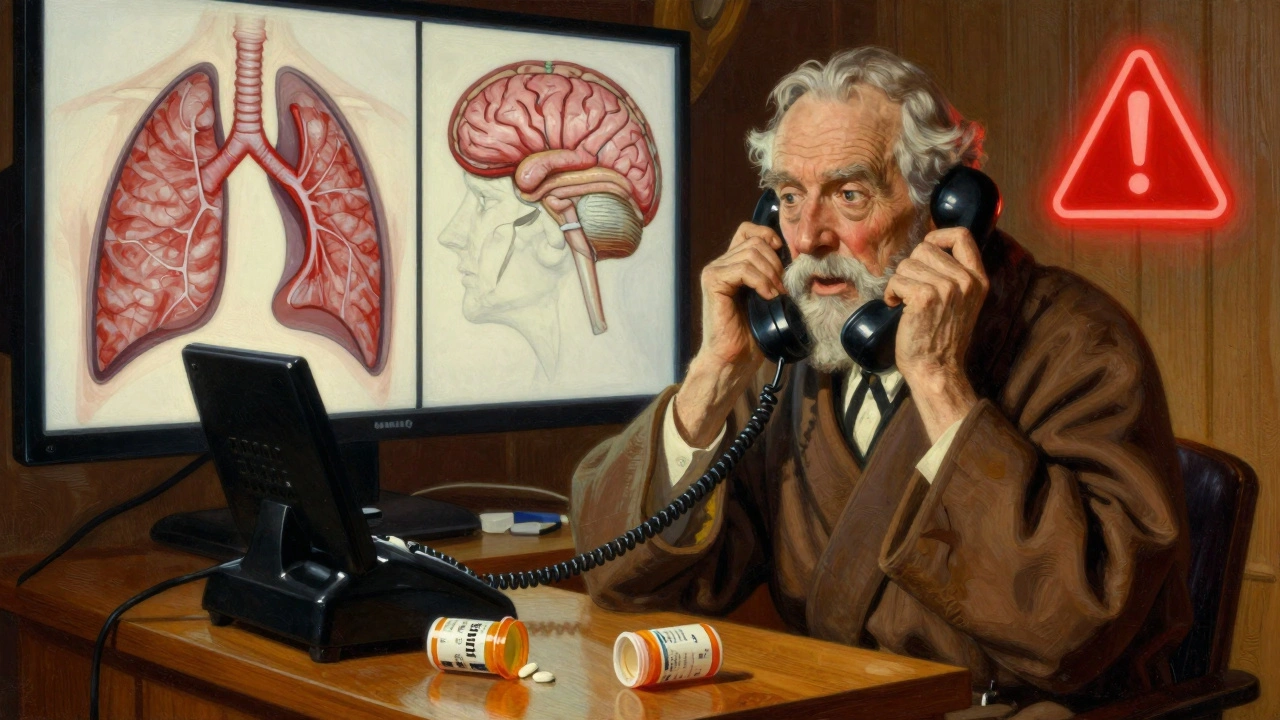
What NOT to Do
This is critical: never take two doses at once to make up for a missed one. That’s the number one mistake people make. Doubling your dose doesn’t give you better protection - it just increases your chance of bleeding. A 2022 study in the Journal of Thrombosis and Haemostasis showed that nearly 23% of patients who had serious bleeding events had accidentally doubled their dose after missing one. That’s not a coincidence. It’s a pattern. Also, don’t stop taking your blood thinner just because you think you’re “fine” now. Stopping without medical advice can cause your clotting risk to rebound faster than you think. Eliquis’s manufacturer warns: “Stopping ELIQUIS increases your risk of having a stroke.” That’s not a suggestion - it’s a fact backed by clinical trials.When to Call Your Doctor or Go to the ER
You don’t need to panic every time you miss a dose. But you do need to know the red flags:- Unexplained bruising - especially large, dark patches that appear without injury
- Red or brown urine - that’s blood in your urinary tract
- Black, tarry, or bloody stools - signs of internal bleeding in your gut
- Sudden dizziness, shortness of breath, or chest pain - could mean a pulmonary embolism
- Severe headache, confusion, vision changes, or weakness on one side - possible stroke or brain bleed
- After a fall, especially if you hit your head
How to Avoid Missing Doses in the First Place
The best way to handle a missed dose? Don’t miss it at all. Here’s what works for real people:- Use a pill organizer. Buy one with compartments for morning and night. Fill it weekly. Seeing the empty slot is a visual cue.
- Set phone alarms. Two alarms if you’re on a twice-daily drug like Eliquis. Label them: “Eliquis AM” and “Eliquis PM.”
- Link it to a habit. Take your pill right after brushing your teeth or with breakfast. Habit stacking makes it stick.
- Refill early. Don’t wait until you’re out. Set a reminder to refill your prescription 3-5 days before you run out.
- Keep your yellow book. If you’re on warfarin, write down every dose you take - and every one you miss. Bring it to every INR appointment. Your clinic needs that data.
- Ask for help. If you live alone or have memory issues, ask a family member to check in with you daily. A simple text like “Did you take it?” can save your life.
Warfarin vs. DOACs: The Monitoring Difference
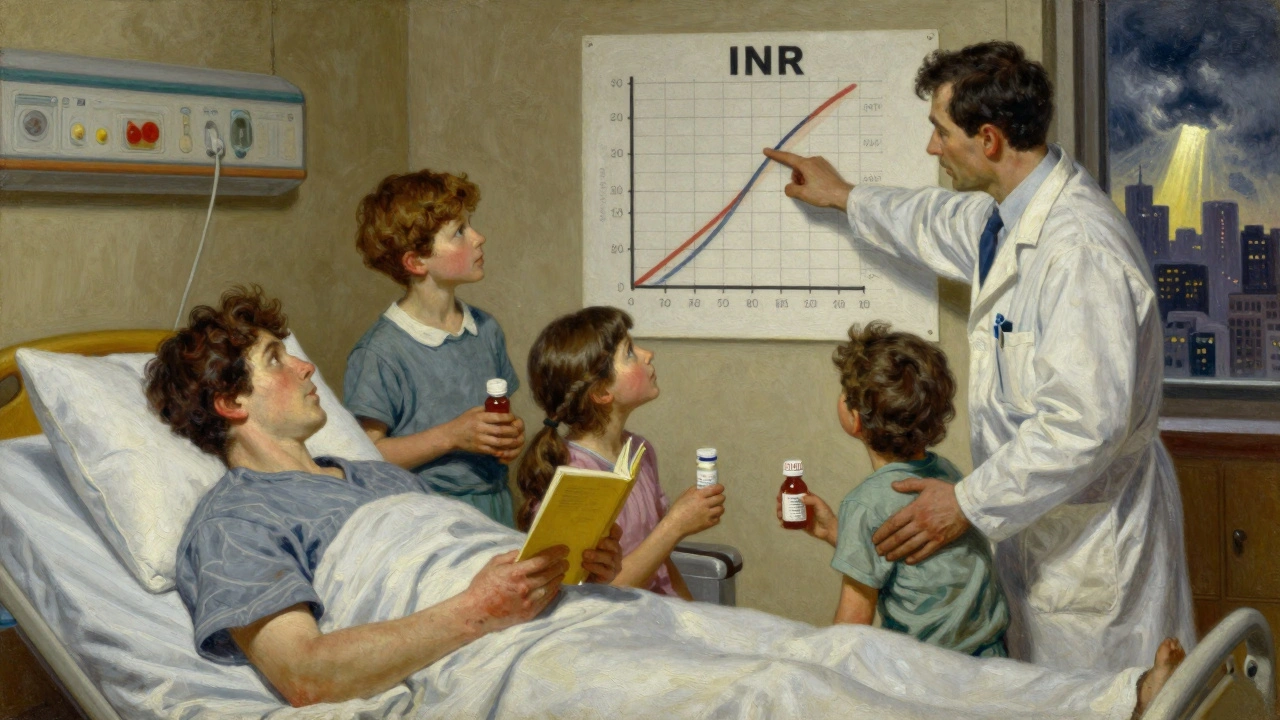
Warfarin users have to get blood drawn regularly - sometimes weekly at first, then monthly. That’s because warfarin interacts with food (especially vitamin K-rich greens), alcohol, and other medications. Your INR needs to stay between 2.0 and 3.0, sometimes up to 3.5. Too low? Clots form. Too high? You bleed. DOACs don’t need blood tests. That’s why they’re popular. But that also means you’re on your own to remember the doses. No safety net. No lab result telling you you’re off track. A 2023 review in the CHEST guidelines says patient education on missed doses should be part of every anticoagulation program. That’s not optional. It’s essential.What to Bring to the ER
If you end up in the emergency room because of a missed dose or side effect, bring:- Your current blood thinner bottle
- Your yellow book (if on warfarin)
- A list of all your other medications
- The name and phone number of your anticoagulation clinic
Final Thought: It’s Not About Perfection - It’s About Awareness
You don’t have to be perfect. Nobody is. But you do need to know what happens when you slip up. You need to know how to fix it. And you need to know when it’s time to call for help. If you’re unsure what to do after missing a dose - call your clinic. Don’t Google it. Don’t ask a friend. Your provider knows your history, your risk factors, and your exact medication. They’re your best resource. Blood thinners aren’t like painkillers. You can’t skip them when you feel okay. They’re working behind the scenes, every single hour, to keep you alive. Treat them that way.What should I do if I miss a dose of Eliquis?
If you miss a dose of Eliquis and remember within 6 hours of your usual time, take it right away. If it’s been more than 6 hours, skip the missed dose. Don’t take two doses at once. Take your next dose at the regular time the following day. Never double up - it increases your risk of serious bleeding.
Can I take two warfarin pills the next day if I missed one?
No. Never take two doses of warfarin in one day to make up for a missed one. If you miss a dose and remember within 12 hours, take it. If it’s been more than 12 hours, skip it. Take your next scheduled dose as usual. Doubling warfarin can cause your INR to spike, leading to dangerous bleeding. Always check with your anticoagulation clinic if you’re unsure.
What are the warning signs that I’m having a clot or bleed from missing a dose?
Signs of a clot include sudden shortness of breath, chest pain, swelling or warmth in one leg, or sudden weakness on one side of your body. Signs of bleeding include unexplained bruising, red or brown urine, black or tarry stools, vomiting blood, or a severe headache. If you have any of these, seek emergency help immediately.
Do I need to get my blood tested if I miss a dose of a DOAC like Xarelto?
No, DOACs like Xarelto don’t require routine blood tests. But if you miss more than one dose or have symptoms of bleeding or clotting, contact your doctor. They may decide to check your kidney function or order a blood test to assess your risk. Always report missed doses at your next appointment.
Can I stop taking my blood thinner if I feel fine?
No. Stopping your blood thinner without your doctor’s approval significantly increases your risk of stroke or pulmonary embolism. Even if you feel fine, the clotting risk remains. Your doctor will decide how long you need to take it based on your condition. Never stop on your own.
How often do people miss their blood thinner doses?
Studies show about 12-15% of patients miss at least one dose per month. People on warfarin miss more often than those on DOACs, but the consequences are just as serious. Missing doses accounts for 17-25% of all adverse events in people on anticoagulants, according to the American Heart Association.
Should I use a pill organizer for my blood thinner?
Yes. A weekly pill organizer with separate compartments for morning and night doses is one of the most effective tools to prevent missed doses. Combine it with phone alarms and linking your dose to a daily habit - like brushing your teeth - to build reliable routines. Many patients who use these tools report near-perfect adherence.
Julia Jakob
December 5, 2025 AT 01:18David Ross
December 6, 2025 AT 23:10Rachel Nimmons
December 8, 2025 AT 17:52Sophia Lyateva
December 9, 2025 AT 09:24Victor T. Johnson
December 11, 2025 AT 05:53Robert Asel
December 13, 2025 AT 04:51Shannon Wright
December 14, 2025 AT 16:23Nicholas Swiontek
December 16, 2025 AT 12:15