

Ledipasvir Treatment Duration Calculator
Calculate Your Treatment Duration
What is Ledipasvir and Why It Matters
When treating Hepatitis C, Ledipasvir is an NS5A inhibitor that blocks viral replication. It’s most often prescribed as part of the fixed‑dose combination known as Harvoni (Ledipasvir‑Sofosbuvir). Since the FDA approval in 2014, this combo has become a cornerstone for genotype 1 infections, delivering cure rates above 95% in clinical trials.
How the Medication Works
Ledipasvir binds to the NS5A protein, a key player in the hepatitis C virus (HCV) lifecycle. By preventing the protein from assisting viral assembly, the drug stops new virus particles from forming. Sofosbuvir, the partner drug, targets the NS5B polymerase, halting RNA synthesis. Together they attack the virus from two angles, leading to rapid drops in viral load.
Typical Treatment Regimens
Understanding the Ledipasvir treatment plan is essential before starting. Most patients take a single tablet daily for 8 or 12 weeks, depending on liver health, prior therapy, and viral genotype. The table below outlines the most common schedules:
| Patient Profile | Duration | Additional Medication |
|---|---|---|
| Naïve, genotype 1, no cirrhosis | 8 weeks | None |
| Prior treatment failure, genotype 1, compensated cirrhosis | 12 weeks | None |
| HIV‑co‑infected, genotype 1, any fibrosis stage | 12 weeks | None |
| Patients with resistant‑associated substitutions | 12 weeks | Ribavirin (optional, based on specialist advice) |
What to Expect in the First Weeks
Most people notice a drop in viral load within the first two weeks. A blood test called HCV RNA PCR confirms the decline. During this period, you might feel a mild flu‑like sensation-headache, fatigue, or low‑grade fever. These symptoms are usually short‑lived and resolve without stopping therapy.
- Week 1‑2: Lab‑confirmed viral decline; possible mild fatigue.
- Week 3‑4: Side effects peak for many; common complaints include nausea and insomnia.
- Week 5‑8: Most patients feel back to normal; follow‑up labs scheduled at week 4 and week 8.
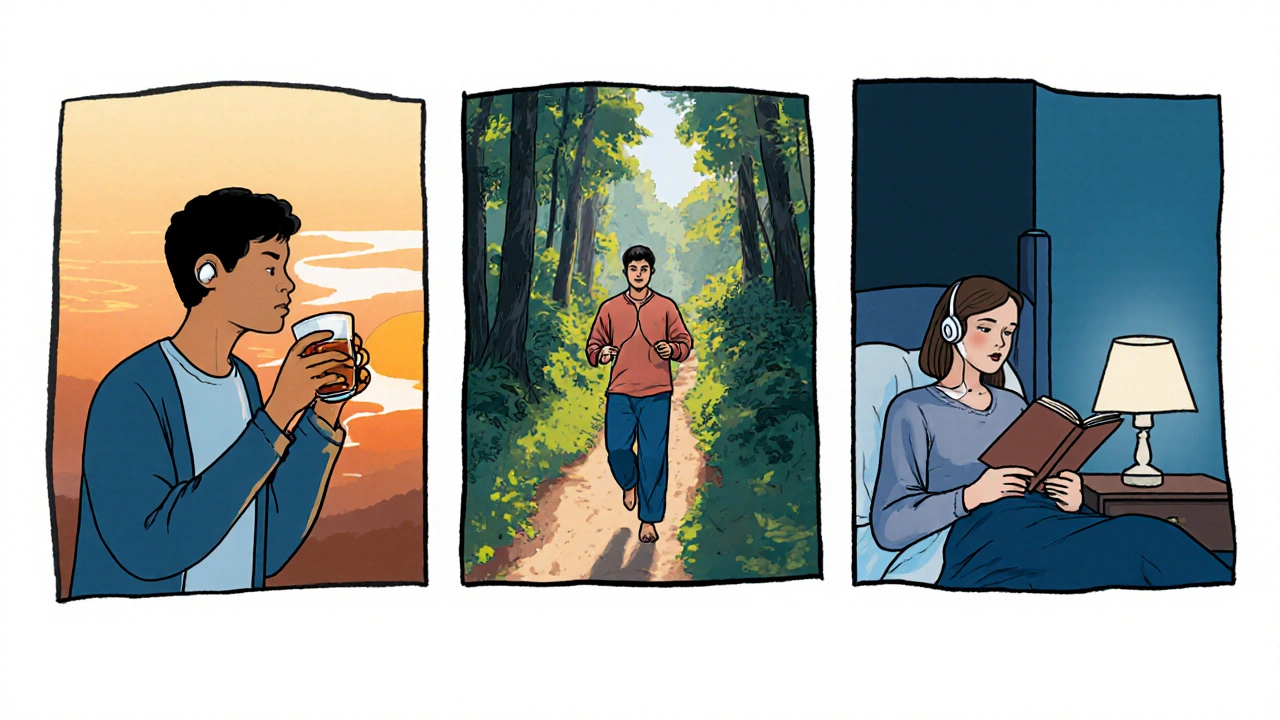
Common Side Effects and How to Manage Them
Ledipasvir is generally well‑tolerated, but a handful of side effects appear frequently enough to merit a cheat‑sheet. Below is a quick reference you can keep handy.
| Side Effect | Incidence | Management Tip |
|---|---|---|
| Fatigue | ≈ 30 % | Stay hydrated, short walks, avoid heavy meals late at night. |
| Headache | ≈ 25 % | Over‑the‑counter acetaminophen; limit caffeine. |
| Nausea | ≈ 15 % | Ginger tea, small frequent meals, take tablet with food. |
| Insomnia | ≈ 12 % | Establish a bedtime routine, avoid screens an hour before sleep. |
| Diarrhea | ≈ 8 % | BRAT diet temporarily, oral rehydration solutions. |
If any symptom worsens or you develop a rash, jaundice, or abdominal pain, contact your healthcare provider promptly. Serious adverse events are rare but can include liver enzyme elevations and heart rhythm disturbances.
Drug Interactions You Should Know
Because Ledipasvir is metabolized mainly by P‑glycoprotein (P‑gp) transporters, certain medicines can raise its blood levels. Below are the most common culprits:
- Amiodarone - can cause bradycardia when started together. A 24‑hour monitoring period is recommended.
- St. John’s Wort - strong P‑gp inducer; may reduce Ledipasvir efficacy.
- Antacids containing aluminum or magnesium - can lower absorption; separate dosing by at least 4 hours.
- Protease inhibitors (e.g., lopinavir/ritonavir) - increase exposure; dose adjustment may be needed.
Always hand your pharmacist a complete medication list, including over‑the‑counter supplements, before starting therapy.
Monitoring During Treatment
Regular lab work ensures the virus is disappearing and the liver stays healthy. Typical monitoring includes:
- Baseline HCV RNA level (quantitative PCR).
- Liver function tests (ALT, AST, bilirubin) at weeks 4 and 8.
- Renal function (creatinine, eGFR) if you have chronic kidney disease.
- End‑of‑treatment HCV RNA test; a follow‑up at 12 weeks post‑therapy confirms sustained virologic response (SVR12), essentially a cure.
For most patients, the lab schedule is straightforward, but those with cirrhosis or prior treatment failure may need extra imaging (ultrasound or FibroScan) to track liver stiffness.

Special Populations: Pregnancy, Children, and HIV Co‑infection
Ledipasvir‑Sofosbuvir is categorized as Pregnancy Category B, meaning animal studies show no risk but human data are limited. Current guidelines advise postponing treatment until after delivery unless the mother has advanced liver disease.
For children aged 12 years or older weighing at least 35 kg, the same adult dosing applies, making the regimen simple for families. HIV‑co‑infected patients can safely combine Ledipasvir with antiretroviral therapy, but drug‑interaction checks are mandatory, especially with protease inhibitors.
When Treatment Might Fail
While cure rates are high, a few scenarios can lead to virologic relapse:
- Non‑adherence: Missing more than 4 doses across the course dramatically lowers SVR.
- Baseline resistance‑associated substitutions (RAS) in the NS5A region-especially in genotype 1a patients-may require an extended 12‑week course with ribavirin.
- Advanced cirrhosis (Child‑Pugh B or C): Reduced drug exposure sometimes necessitates altered dosing or alternative regimens.
If relapse occurs, a second‑line regimen that includes a different class of direct‑acting antivirals (e.g., velpatasvir‑sofosbuvir) is typically recommended.
Practical Tips to Stay on Track
Success often hinges on everyday habits. Here are three pro‑tips:
- Set a daily alarm on your phone labeled “Take Harvoni.” Consistency beats memory.
- Keep a short journal of any side effects; bring it to each clinic visit. It helps the doctor adjust supportive care.
- Arrange a relative or friend to pick up your refill before the pack runs out. Running out mid‑course can jeopardize cure.
Frequently Asked Questions
How long does it take to feel better after starting Ledipasvir?
Most patients notice a reduction in fatigue and nausea within the first two weeks, but full energy levels may return after the first month.
Can I drink alcohol while on Ledipasvir?
Moderate alcohol intake is not contraindicated, but heavy drinking can worsen liver inflammation and impede healing, so most clinicians recommend limiting or avoiding it.
Do I need a special diet?
No strict diet is required. A balanced diet rich in fruits, vegetables, and lean protein supports liver health and can ease nausea.
What is SVR12 and why does it matter?
SVR12 means the virus is undetectable 12 weeks after finishing therapy. It is the gold‑standard marker that the infection is cured.
Can I take Ledipasvir with my HIV meds?
Yes, in most cases. However, drugs like ritonavir‑boosted protease inhibitors may need dosing adjustments, so a specialist should review the full regimen.
Thokchom Imosana
October 19, 2025 AT 14:03When you read about Ledipasvir, the first thing that slips past the mainstream headlines is the hidden network of pharmaceutical lobbying that decides which side effects get a mention and which are buried in fine print. The molecule itself is a triumph of molecular engineering, yet its distribution hinges on agreements that tie governments to a handful of profit-driven corporations. I have spent countless nights tracing the supply chain of Harvoni, discovering that a single batch can travel across continents under the watch of shell companies that mask the true origins of the active ingredients. That knowledge makes the occasional fatigue or headache feel like a reminder that we are pawns in a larger game of market control. Patients often report mild flu‑like sensations, but the data sheets omit the subtle cognitive fog that can linger for weeks after the last pill. In my own experience, the first two weeks were a rollercoaster of energy spikes followed by an inexplicable dip that my doctor dismissed as "adjustment period". What most people don’t hear is that the drug interacts with common over‑the‑counter supplements, especially herbal blends that claim to boost liver health, and this can silently raise plasma levels. The resulting jitteriness is often misattributed to anxiety, while the real culprit is a pharmacokinetic quirk hidden deep within the P‑gp transport system. If you look at the trial data, you’ll notice a disproportionate number of participants are from regions where the standard of care includes routine monitoring, which masks the true incidence of rare events. The subtle rise in liver enzymes that occasionally pops up on lab reports is usually brushed off, yet it can be a precursor to more serious hepatic stress. Moreover, the requirement to separate antacids by four hours is a reminder that even seemingly innocuous everyday items can tip the balance of drug absorption. I’ve spoken with several colleagues who, after switching to a different direct‑acting antiviral, reported a noticeable clarity that they never achieved on Ledipasvir despite perfect adherence. That anecdote fuels the suspicion that the pharmaceutical giants are incentivized to keep patients on a single brand for as long as possible, maximizing lifetime revenue. While the cure rates are undeniably high, the hidden costs-both financial and physiological-are rarely part of the public conversation. If you are considering the regimen, keep a detailed journal of every symptom, no matter how trivial it seems, and cross‑reference it with any new supplement or dietary change. Only by assembling your own data can you cut through the polished brochure and see the treatment for what it truly is.
ashanti barrett
October 19, 2025 AT 14:06I’ve seen many patients stumble over the first few weeks, especially when the fatigue hits harder than expected. One practical tip is to break the day into short, manageable tasks rather than trying to power through a full schedule. Keeping a water bottle handy and taking short walks after meals can counteract the nausea without needing extra medication. If insomnia becomes a problem, I recommend a calming bedtime routine-dim the lights, avoid screens, and consider a warm herbal tea. Don’t ignore a persistent headache; an over‑the‑counter analgesic taken with food usually does the trick, but always check with your provider. Staying in touch with your care team for any sudden changes, like a rash or jaundice, is crucial to catching complications early.
Leo Chan
October 19, 2025 AT 14:10I totally agree with the idea of breaking the day into bite‑sized chunks; it makes the whole process feel less overwhelming. I started setting a simple alarm on my phone labeled “Harvoni time,” and it instantly became a habit. The short walks also helped me clear my mind, which reduced the brain fog that sometimes lingers. Keeping a quick note of side effects in a notebook proved handy when I talked to my doctor at the next visit. Sticking to the routine really turned the treatment into a manageable part of my daily life.
jagdish soni
October 19, 2025 AT 14:13Just remember to space out your antacids by four hours.
Madhav Dasari
October 19, 2025 AT 14:16That tip saved me countless headaches because I kept forgetting the timing and ended up with a wobble in absorption. When the drug didn’t hit the mark, my energy tanked and I felt like I was walking through syrup. A quick check of the schedule and a reminder on my phone got everything back on track. It’s funny how such a tiny timing detail can swing the whole experience.
DHARMENDER BHATHAVAR
October 19, 2025 AT 14:20Patients should be aware that amiodarone co‑administration may lead to bradycardia, necessitating cardiac monitoring for at least 24 hours. St. John’s Wort induces P‑gp and can diminish Ledipasvir plasma concentrations, reducing efficacy. Antacids containing aluminum or magnesium should be taken at least four hours apart to avoid absorption interference. Consulting a pharmacist before adding any over‑the‑counter product is advisable to prevent unforeseen interactions.
Kevin Sheehan
October 19, 2025 AT 14:23The high SVR12 rates have transformed hepatitis C from a chronic burden into a curable condition, altering the landscape of public health. Yet, the fact that the disease once carried a stigma reminds us how medical narratives shape societal perceptions. When a patient completes therapy and sees a negative PCR, it’s not just a lab result; it’s a reclamation of agency over one’s body. The journey also underscores the importance of access to affordable medication, as disparities persist across regions. In the end, the science provides the tool, but the collective will determines how widely the cure spreads.
Jameson The Owl
October 19, 2025 AT 14:26One cannot ignore the shadow of the pharmaceutical oligarchy that profits from the narrative of a "miracle cure" while subtly influencing pricing structures globally. The initial clinical trials were undoubtedly rigorous, yet the subsequent market rollout revealed preferential agreements that limited generic competition for years. As a result, many patients in low‑income countries face barriers that transform an otherwise affordable regimen into an unattainable luxury. The interplay between regulatory bodies and corporate lobbying often dictates which side effects get highlighted in patient literature. This selective transparency can leave individuals unaware of rare but serious adverse events until they occur. Therefore, maintaining a personal log of symptoms and cross‑checking with independent sources becomes a defensive strategy. Only by staying vigilant can one navigate the labyrinth of modern drug distribution without falling prey to hidden costs. The cure is real, but the surrounding ecosystem demands scrutiny.
Sunil Yathakula
October 19, 2025 AT 14:30I totally get the struggle with nausea, it hit me hard the first week. One thing that helped was sipping ginger tea and not waiting till you're super hungry before taking the pill. Also, let your fam know if you need a quick refill, running out mid‑course is a nightmare. Stay chill and keep that journal, it really helps the doc see what's up.