

JAK Inhibitor Risk Assessment Tool
Personal Risk Assessment
This tool helps you understand your individual risk factors for serious infections and blood clots associated with JAK inhibitor medications. Results are based on data from clinical studies and should not replace professional medical advice.
Your Personalized Risk Assessment
When you're dealing with chronic inflammation from rheumatoid arthritis, psoriatic arthritis, or ulcerative colitis, finding a treatment that actually works can feel like a lifeline. JAK inhibitors - drugs like tofacitinib, upadacitinib, and baricitinib - deliver real results. Many patients see their joint pain drop, skin clears up, or bowel symptoms improve within weeks. But here’s the part no one talks about until it’s too late: these drugs come with serious, sometimes life-threatening risks you can’t ignore. Two dangers stand out above all: infections and blood clots.
Why JAK Inhibitors Increase Infection Risk
JAK inhibitors don’t just quiet down the parts of your immune system causing inflammation. They mute the whole system. That’s how they work - by blocking Janus kinase enzymes that immune cells use to send alarm signals. But when those alarms are silenced, your body can’t fight off common viruses and bacteria the way it should.Herpes zoster (shingles) is the most common serious infection linked to these drugs. Even if you got the shingles vaccine before starting treatment, it doesn’t guarantee protection. A patient in Calgary reported being hospitalized after developing shingles just three months into tofacitinib therapy, despite being fully vaccinated. That’s not rare. Studies show shingles occurs in about 1 in 7 people taking JAK inhibitors, compared to 1 in 25 on older biologics.
Other infections spike too: pneumonia, tuberculosis, and even rare fungal infections like histoplasmosis. The FDA and EMA both warn that these drugs can reactivate old TB infections, even in people who tested negative for it years ago. That’s why doctors are now required to test for latent TB before prescribing any JAK inhibitor. If you’ve ever lived in or traveled to areas where TB is common - like parts of Asia, Africa, or Eastern Europe - your risk goes up.
Don’t wait for a fever to act. If you develop a sore throat, cough, unexplained fatigue, or skin rash that won’t go away, call your doctor immediately. Don’t assume it’s just a cold. By the time you feel really sick, the infection may already be spreading.
The Blood Clot Danger: More Than Just a Statistic
If you’ve ever had a deep vein thrombosis (DVT) or pulmonary embolism (PE), you know how terrifying it is. A blood clot in your leg can break loose, travel to your lungs, and kill you in minutes. JAK inhibitors make this more likely - and the risk isn’t small.Research from the ORAL Surveillance trial found that people over 50 with heart disease risk factors had nearly double the chance of a blood clot on tofacitinib compared to those on TNF inhibitors. The numbers don’t lie: for every 100 people taking JAK inhibitors for a year, about 1 will have a serious clot. That might sound low, but when you’re the one it happens to, it’s 100%.
Age is the biggest factor. If you’re 65 or older, your risk jumps to nearly four times higher than someone under 50. Other red flags: obesity (BMI over 30), smoking, a history of clots, recent surgery, or being on estrogen therapy. Even a long flight or car ride can trigger a clot in someone on these drugs.
Not all JAK inhibitors are the same. Upadacitinib, which targets JAK1 more selectively, appears to carry a lower clot risk than tofacitinib, which hits JAK2 harder. JAK2 plays a key role in platelet and red blood cell production - messing with it can make your blood thicker and more prone to clotting. That’s why newer drugs like filgotinib, which avoid JAK2, may be safer for high-risk patients - but we still need more long-term data.
Who Should Avoid JAK Inhibitors Altogether?
These drugs aren’t for everyone. Regulatory agencies now say they should only be used when other treatments have failed - and even then, only if you don’t have certain risk factors.The European Medicines Agency (EMA) and FDA both say: don’t start a JAK inhibitor if you’re:
- 65 or older
- A current or former smoker
- Have heart disease, high blood pressure, or high cholesterol
- Have had a blood clot, stroke, or heart attack before
- Have a history of cancer (especially lymphoma or lung cancer)
- Are obese (BMI ≥30)
If you’ve got two or more of these, your doctor should strongly consider alternatives - like TNF inhibitors, IL-17 blockers, or even newer TYK2 inhibitors that are coming to market. These drugs work differently and don’t carry the same clot or infection risks.
And here’s something most patients don’t realize: if you’ve had a previous serious infection or clot while on a JAK inhibitor, you should never go back on one. The risk isn’t just higher the second time - it’s dangerously higher.

What You Must Do Before Starting
Before you take your first pill, you need a full health check. This isn’t optional. It’s non-negotiable.Here’s what your doctor should do before prescribing a JAK inhibitor:
- Test you for latent tuberculosis - even if you were tested five years ago
- Check your vaccination status: you need updated shots for shingles, pneumonia, and flu - and they must be given at least 4 weeks before starting
- Run a full blood count, lipid panel, and liver function test
- Assess your cardiovascular risk: blood pressure, cholesterol, smoking history
- Ask about past clots, surgeries, or prolonged immobility
Some clinics now use a risk score tool that assigns points for age, BMI, smoking, and past medical history. If you score above a certain threshold, they won’t prescribe a JAK inhibitor - and that’s a good thing.
Don’t let your doctor rush you. If they’re not asking these questions, ask them yourself. Your life depends on it.
Monitoring After You Start
Starting the drug is just the beginning. The real work happens after.Once you’re on a JAK inhibitor, you need regular blood tests:
- Complete blood count every 4 to 8 weeks - to catch low white blood cells, anemia, or low platelets
- Lipid panel at 4 weeks and again at 12 weeks - these drugs raise cholesterol fast, sometimes by 20% in just a month
- Liver and kidney function tests every 3 months
And watch your body. If you feel sudden swelling in one leg, shortness of breath, chest pain, or unexplained bruising, get checked immediately. Don’t wait for your next appointment. If you develop a fever over 38°C, persistent cough, or skin blisters, call your rheumatologist - don’t wait.
Many patients stop taking their meds because they feel better. Don’t. Stopping suddenly can cause a flare. But if you develop a serious infection or clot, your doctor will stop the drug - and they should. That’s not failure. That’s safety.
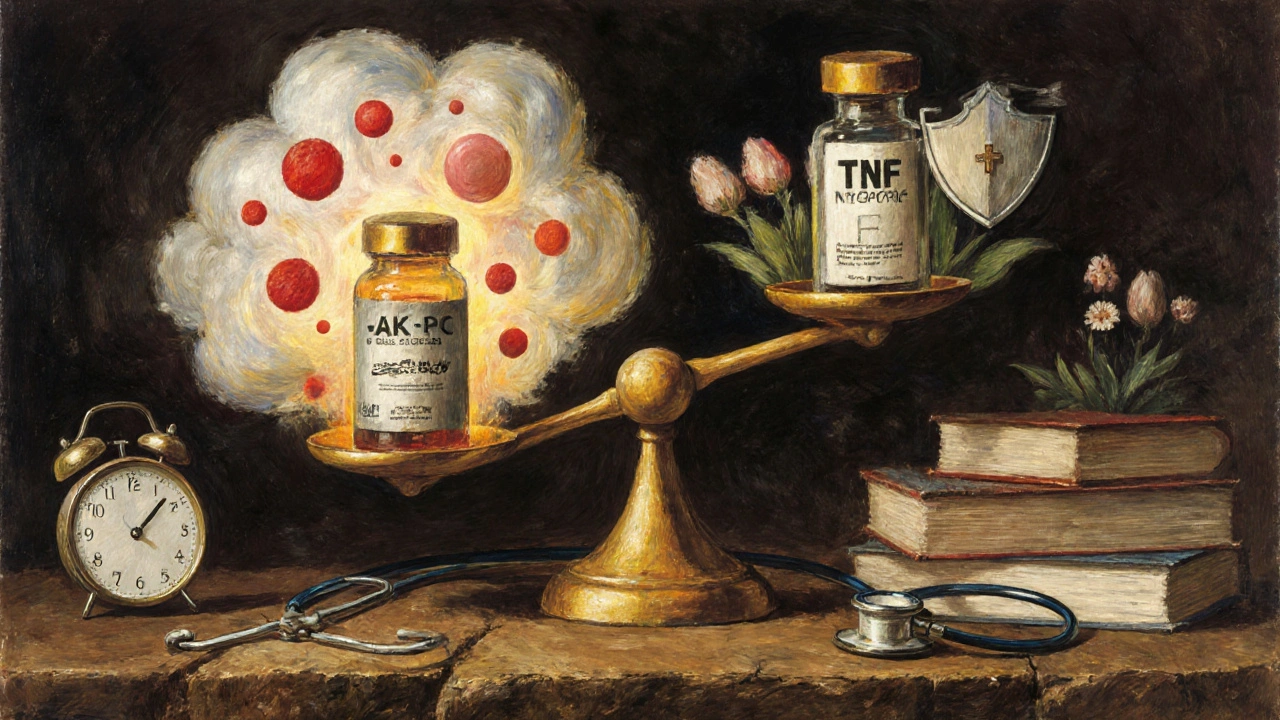
Real Stories, Real Risks
One patient on Reddit shared how she developed a blood clot in her calf after a 12-hour flight while on upadacitinib. Her doctor immediately stopped the drug. She needed blood thinners for six months. She’s now on a TNF inhibitor - no more clots, no more fear.Another man in his late 60s started tofacitinib for severe arthritis. Three months later, he got shingles. His condition worsened, and he spent five days in the hospital. He says now: “I wish I’d known how dangerous this was. I thought the pain relief was worth it. I was wrong.”
These aren’t outliers. They’re examples of what happens when the risks aren’t clearly explained.
What’s Next for JAK Inhibitors?
The market is shifting. After the FDA’s black box warning in 2021, prescriptions dropped by nearly 20%. Doctors are going back to TNF inhibitors - they’re safer, well-studied, and work for most people.Newer drugs like TYK2 inhibitors (e.g., deucravacitinib) are showing promise. They target a more specific part of the immune pathway and appear to have lower infection and clot risks. Early data suggests they might be the next generation of safer treatments.
But for now, JAK inhibitors are still a tool - not a first choice. They’re powerful, yes. But they’re also dangerous if used carelessly.
If you’re considering one, ask yourself: Is this the best option for me - or just the fastest? Your long-term health matters more than quick relief.
Are JAK inhibitors safe for older adults?
No, JAK inhibitors are not recommended for people aged 65 or older unless there are no other treatment options. This group has a much higher risk of serious infections, blood clots, and heart-related events. Regulatory agencies like the FDA and EMA explicitly warn against using these drugs in older patients with additional risk factors like smoking, obesity, or prior cardiovascular disease.
Can I still get vaccines while on a JAK inhibitor?
You can get inactivated vaccines like flu, pneumonia, and shingles - but only before starting the drug or during a treatment break. Live vaccines (like MMR or varicella) are dangerous and must be avoided while on JAK inhibitors. Always check with your doctor before getting any shot. If you haven’t had your shingles vaccine, get it at least 4 weeks before starting treatment.
Do all JAK inhibitors carry the same risks?
No. Drugs like tofacitinib and baricitinib inhibit JAK2 more strongly, which increases the risk of blood clots and low blood cell counts. Upadacitinib and filgotinib are more selective for JAK1 and appear to have lower clotting risks based on early data. But no JAK inhibitor is risk-free - all carry black box warnings for infections and thrombosis. Your doctor should choose the drug based on your individual risk profile.
How often do I need blood tests while on a JAK inhibitor?
You need a complete blood count every 4 to 8 weeks to check for low white blood cells, anemia, or low platelets. A lipid panel should be done at 4 weeks and again at 12 weeks because cholesterol rises quickly. Liver and kidney tests are needed every 3 months. Skipping these tests puts you at risk of missing serious side effects before they become life-threatening.
What should I do if I develop a fever or infection while on a JAK inhibitor?
Stop taking the medication immediately and contact your doctor. Do not wait for your next appointment. Serious infections can spread quickly when your immune system is suppressed. Your doctor will likely hold the drug until the infection clears and may prescribe antibiotics or antivirals. Returning to the drug after an infection increases your risk of another one - so this decision must be made carefully with your rheumatologist.
Are there safer alternatives to JAK inhibitors?
Yes. TNF inhibitors like adalimumab and etanercept have been used for over 20 years with well-understood safety profiles. IL-17 or IL-23 blockers (like secukinumab or ustekinumab) are also effective for many conditions and carry lower risks of blood clots and serious infections. Newer TYK2 inhibitors, such as deucravacitinib, are showing promising safety data and may become preferred options for high-risk patients in the near future.
Sammy Williams
November 20, 2025 AT 18:13I’ve been on upadacitinib for 8 months now and honestly? My joints feel like they did in college. But I’m on monthly blood work and I call my doc at the first sign of a sore throat. It’s not magic, it’s management. Know your numbers, know your body.
Michael Marrale
November 21, 2025 AT 04:54Ever wonder why the FDA suddenly started warning about these drugs right after Big Pharma pushed them as ‘next-gen’? Coincidence? Nah. They knew the clots and infections were coming. They just needed you hooked before the lawsuits rolled in. Wake up, people.
David vaughan
November 22, 2025 AT 04:23I’m so glad someone finally laid this out clearly… I had no idea about the JAK2 connection to clotting… I’m 63, smoker, high cholesterol… my rheumatologist said ‘it’s fine’… but now I’m scared. I’m getting a second opinion tomorrow. Please, if you’re reading this and you’re over 60… don’t ignore this. I’m so glad I found this thread. Thank you.
Cooper Long
November 22, 2025 AT 14:33Sheldon Bazinga
November 22, 2025 AT 22:29Sandi Moon
November 24, 2025 AT 04:12Kartik Singhal
November 25, 2025 AT 14:24Chris Vere
November 25, 2025 AT 19:52Pravin Manani
November 26, 2025 AT 09:44Mark Kahn
November 27, 2025 AT 01:36Daisy L
November 28, 2025 AT 14:50Anne Nylander
November 29, 2025 AT 12:50